
What's Happening?
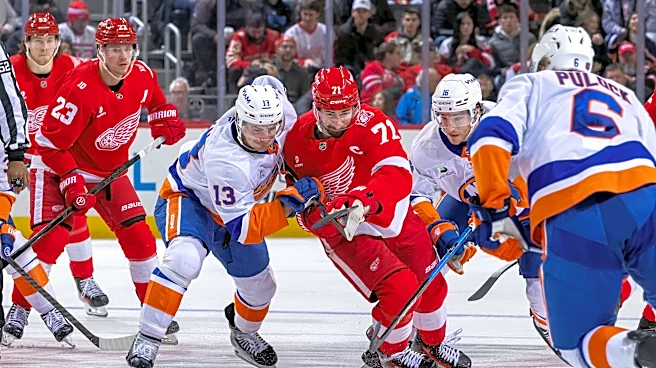
Dylan Larkin, captain of the Detroit Red Wings, has reportedly requested a trade after the team missed the playoffs for the tenth consecutive season. According to Helene St. James of the Detroit Free Press,
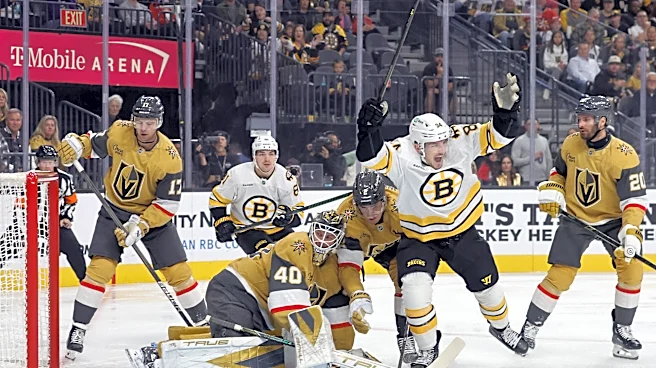
Larkin has specified that he would waive his no-trade clause for only three teams: the Vegas Golden Knights, the Minnesota Wild, and the Florida Panthers. Larkin is currently under an eight-year, $69.6 million contract with the Red Wings, which includes a full no-trade clause until the 2027-28 season. This limited list of acceptable teams poses a challenge for Red Wings' General Manager Steve Yzerman, as it restricts potential trade negotiations. The teams Larkin is willing to consider include current Stanley Cup contenders and a divisional rival, complicating the possibility of a favorable trade package for Detroit.
Why It's Important?
Larkin's trade request and the limited number of teams he is willing to consider could significantly impact the Red Wings' strategy moving forward. The constraints on potential trade partners limit Yzerman's ability to negotiate a competitive deal, potentially affecting the team's rebuilding efforts. Additionally, the teams on Larkin's list are strong contenders, which may reduce their willingness to offer substantial assets in return. This situation highlights the challenges teams face when dealing with players holding no-trade clauses, as it can limit management's flexibility in making strategic decisions. The outcome of this situation could influence how other teams handle similar contract negotiations in the future.
What's Next?
For the Red Wings, the next steps involve negotiating with the three teams on Larkin's list to explore potential trade options. Yzerman may need to persuade Larkin to expand his list of acceptable teams to increase the chances of securing a beneficial trade. Meanwhile, the teams on Larkin's list will evaluate their current rosters and cap space to determine if acquiring Larkin aligns with their strategic goals. The outcome of these negotiations could set a precedent for how no-trade clauses are managed in the NHL, particularly for teams in rebuilding phases.