





What's Happening?
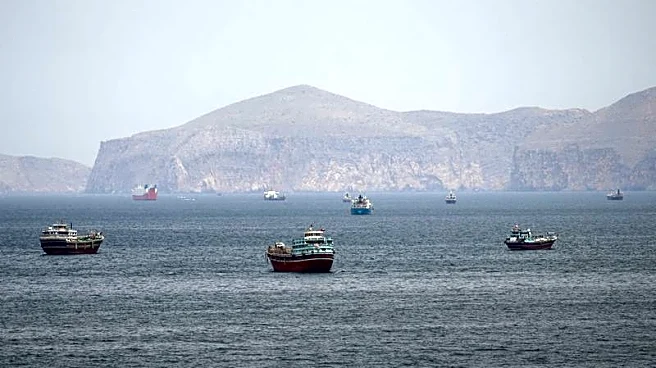
A Citi Research report has highlighted rising global food inflation risks, driven by potential disruptions in the Strait of Hormuz and worsening El Nino conditions. The report warns that agricultural commodity prices could face significant upward pressure
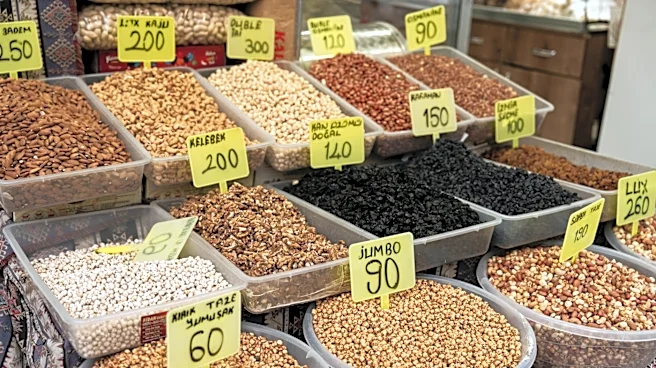
over the next 6-12 months. Key factors include higher energy costs, fertilizer shortages, and adverse weather conditions linked to El Nino. The report suggests that a prolonged closure of the Strait of Hormuz could sharply increase energy and fertilizer prices, impacting global agricultural production costs. Additionally, higher fossil fuel prices may lead to increased use of agricultural commodities for biofuels, further elevating food prices. Traded agricultural prices have already risen by 13% year-to-date through mid-May, with commodities like sugar, cocoa, and coffee being particularly vulnerable to these risks.
Why It's Important?
The potential surge in global food inflation could have widespread economic and social impacts. Rising food prices can strain household budgets, particularly in low-income regions, and may lead to increased food insecurity. For the U.S., higher global food prices could affect domestic inflation rates, influencing monetary policy decisions. Agricultural producers may face increased production costs, impacting profitability and potentially leading to higher consumer prices. The situation underscores the interconnectedness of global supply chains and the vulnerability of food systems to geopolitical and environmental disruptions. Policymakers and businesses may need to consider strategies to mitigate these risks, such as diversifying supply sources and investing in sustainable agricultural practices.
What's Next?
If the risks identified by Citi Research materialize, stakeholders may need to take proactive measures to address the potential impacts. Governments could implement policies to stabilize food prices and support affected industries. International cooperation may be necessary to ensure the smooth functioning of global supply chains. Businesses might explore alternative supply routes and invest in technologies to enhance agricultural resilience. Monitoring developments in the Strait of Hormuz and El Nino conditions will be crucial for anticipating future market dynamics. The report's findings could also prompt discussions on the need for more sustainable and resilient food systems to withstand such shocks.