






What's Happening?
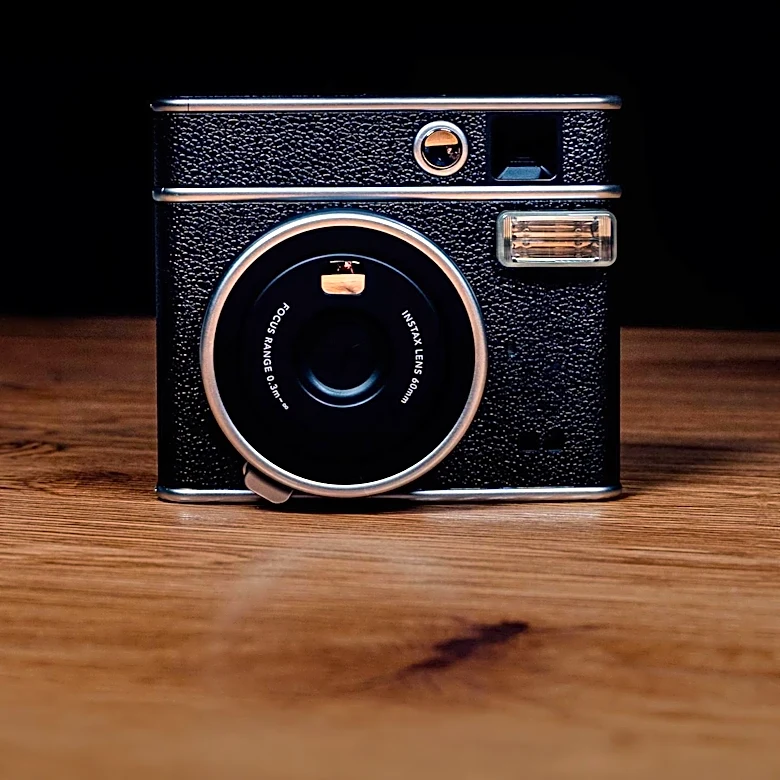
Fujifilm's Instax Wide 400 camera is gaining traction among photography enthusiasts who appreciate the charm of analog photography. Priced at $175, this model offers wide-format images, producing photos that are 62 × 99 mm, which is twice the size of the Instax Mini
photos. The camera is designed with simplicity in mind, featuring automatic controls for flash and focus, allowing users to easily capture images by framing the shot and pressing a button. The camera's lens can be rotated to activate different focus modes, including close-up and landscape, and it includes a special lens attachment to enhance close-up photo quality. While the camera performs well in well-lit conditions, it may struggle with high-contrast scenes, where details can become slightly blurred.
Why It's Important?
The resurgence of analog photography, as exemplified by the popularity of the Instax Wide 400, highlights a growing trend towards nostalgia and simplicity in a digital age dominated by complex technology and artificial intelligence. This trend reflects a broader cultural shift where consumers are seeking tangible and immediate experiences, such as instant photography, which offers a physical product in a world increasingly focused on digital outputs. For Fujifilm, this trend represents a significant market opportunity, as they can capitalize on the demand for retro-style cameras and the unique experiences they provide. This could influence other companies to explore similar products, potentially revitalizing the analog photography market.
What's Next?
As the demand for analog photography continues to grow, Fujifilm and other camera manufacturers may expand their product lines to include more models that cater to this niche market. This could lead to innovations in film technology and camera design, aimed at enhancing the quality and appeal of instant photography. Additionally, the trend may inspire collaborations between camera manufacturers and artists or influencers who can further popularize the use of analog cameras. The market's response to these developments will likely shape the future of photography, balancing digital advancements with the enduring appeal of analog experiences.
Beyond the Headlines
The rise of analog photography also raises questions about sustainability and environmental impact, as film production and disposal can have ecological consequences. Companies like Fujifilm may need to address these concerns by developing more eco-friendly film options or recycling programs. Furthermore, the cultural implications of this trend suggest a desire for authenticity and a break from the fast-paced digital world, which could influence other industries to incorporate more 'retro' elements into their products and marketing strategies.