





What's Happening?
The global traffic management market is projected to grow significantly, reaching $106.8 billion by 2032, according to a study by Persistence Market Research. This growth is driven by the increasing adoption of intelligent systems by governments and urban
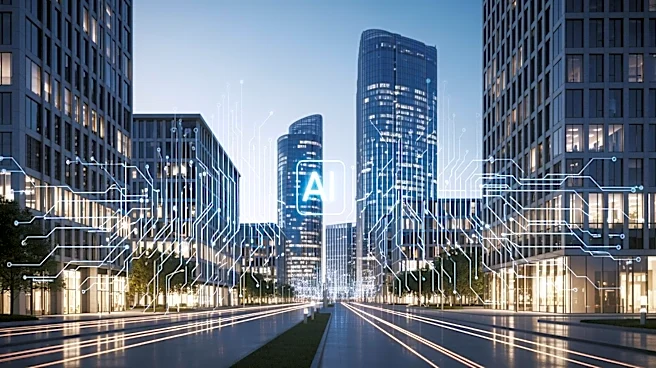
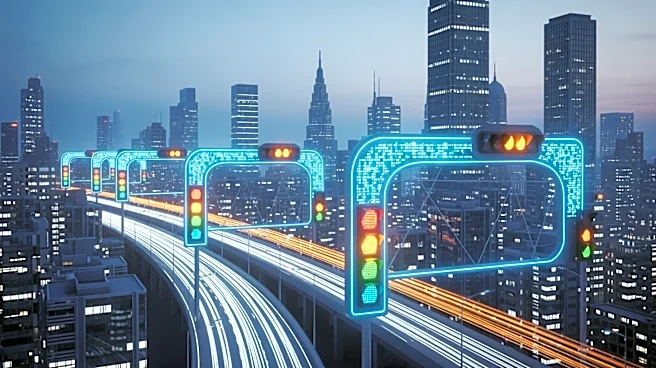
planners to address traffic congestion, enhance road safety, and optimize transportation efficiency. The market, valued at $47.4 billion in 2025, is expected to expand at a compound annual growth rate (CAGR) of 12.3% over the forecast period. Key factors contributing to this growth include rising urban populations, increased vehicle ownership, and the need for real-time traffic monitoring. The integration of artificial intelligence (AI) and the Internet of Things (IoT) into traffic management systems is transforming the industry, enabling dynamic traffic control and improved decision-making.
Why It's Important?
The expansion of the traffic management market is crucial for addressing the challenges posed by rapid urbanization and increasing traffic congestion, particularly in metropolitan areas. As cities grow, traditional traffic control systems are becoming inadequate, necessitating the adoption of smart traffic management solutions. These systems not only improve traffic flow and reduce delays but also enhance road safety and reduce environmental impact by minimizing emissions. The growth of smart city initiatives further underscores the importance of advanced traffic management systems, as governments invest in digital infrastructure to create efficient and sustainable urban environments. The adoption of connected and autonomous vehicles also drives the need for sophisticated traffic management solutions, ensuring safe and efficient operation.
What's Next?
As the traffic management market continues to grow, the focus will likely shift towards further integration of AI and IoT technologies to enhance system capabilities. The adoption of adaptive traffic control systems, which adjust signal timings based on real-time conditions, is expected to increase, reducing congestion and improving travel times. Additionally, the emphasis on environmental sustainability will drive the development of systems that minimize idle time and optimize traffic flow, aligning with global efforts to reduce transportation-related emissions. The market is poised for robust growth, supported by technological advancements, government initiatives, and the ongoing transition towards smart and connected mobility ecosystems.