
What's Happening?
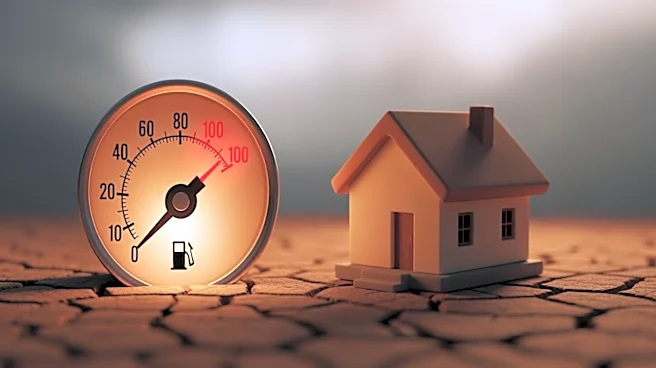
Rising fuel prices, exacerbated by geopolitical tensions involving the U.S., Iran, and Israel, are impacting the U.S. affordable housing sector. The average price of regular gasoline has surged to $4 per
gallon, with diesel prices also significantly increasing. This rise in energy costs is affecting the feasibility of constructing new affordable housing units, as developers face higher costs for materials and operations. The National Income Housing Coalition reports a shortage of 7.2 million affordable rental homes for 11 million low-income households. Andrew Warren from TD Bank highlights that the increased costs are reducing incentives for developers to build affordable housing, further straining an already limited supply.
Why It's Important?
The increase in fuel prices poses a significant challenge to the U.S. affordable housing market, which is already under pressure due to a shortage of available units. Higher energy costs translate into increased construction and operational expenses, making it less viable for developers to pursue affordable housing projects. This situation could exacerbate the housing crisis, leaving low-income families with fewer options and potentially increasing homelessness. The economic burden on both developers and tenants could lead to a reduction in the number of new affordable housing projects, impacting communities across the nation.
What's Next?
The future of affordable housing development in the U.S. depends on the stabilization of energy prices and potential policy interventions. Developers and government agencies may need to explore alternative funding and subsidy options to offset rising costs. Additionally, geopolitical developments, such as the resolution of conflicts in the Middle East, could influence energy prices and, consequently, the housing market. Stakeholders in the housing sector will need to adapt to these challenges to ensure the continued availability of affordable housing.