
What's Happening?
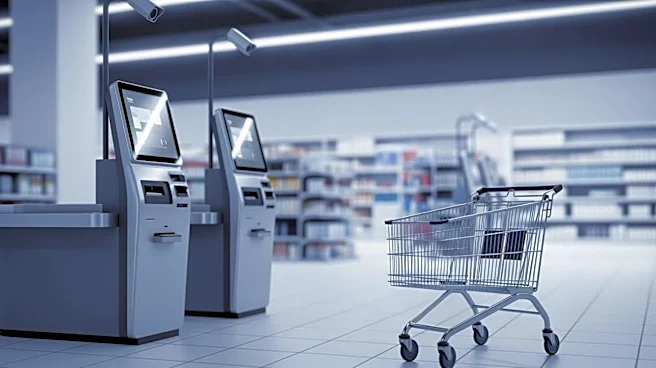
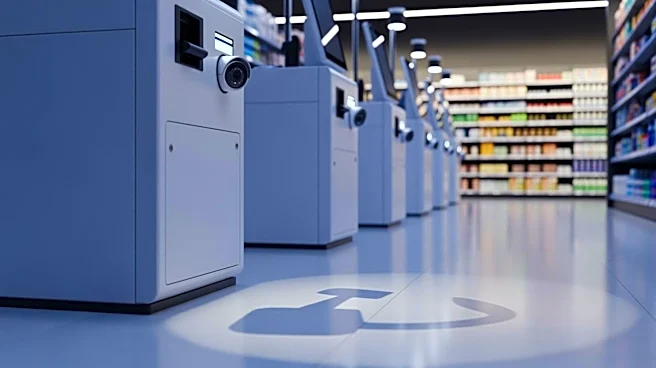
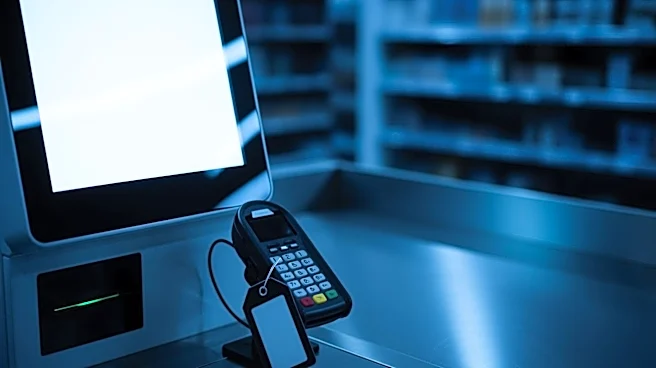
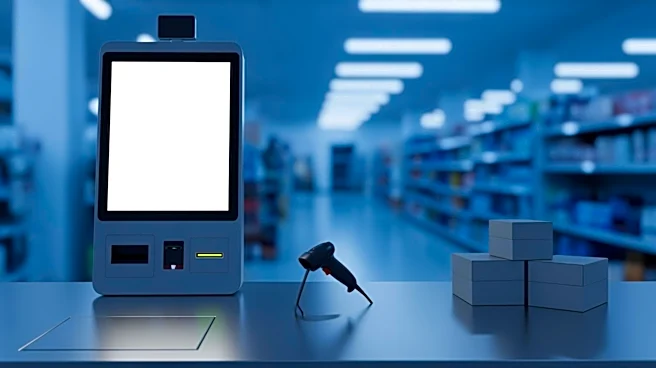
Retail giants such as Walmart, Target, and Costco are scaling back their use of self-checkout kiosks, a move driven by increased inventory loss and customer dissatisfaction. The self-checkout systems,
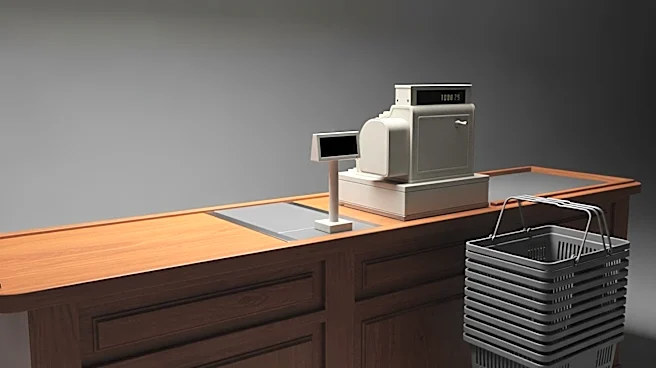
once seen as a way to improve efficiency, have instead led to significant financial losses due to product shrinkage and technical issues. Retailers are now shifting back to traditional staffed checkout lanes to enhance customer service and reduce theft. Each retailer is implementing the rollback differently, with Target limiting self-checkout to small purchases and Walmart removing kiosks in select markets.
Why It's Important?
The rollback of self-checkout kiosks highlights the challenges retailers face in balancing automation with customer service and loss prevention. The decision to revert to staffed lanes underscores the importance of human oversight in reducing theft and improving the shopping experience. This shift could influence other retailers to reassess their use of automated systems, potentially leading to a broader industry trend towards more human-centric service models. The move also reflects a growing recognition of the limitations of technology in addressing complex operational issues.
What's Next?
Retailers are likely to continue exploring ways to integrate technology with traditional service models to optimize efficiency and customer satisfaction. This may involve investing in advanced security measures or developing hybrid systems that combine the benefits of automation with human oversight. As the retail landscape evolves, companies will need to remain agile and responsive to changing consumer preferences and operational challenges.