



What's Happening?
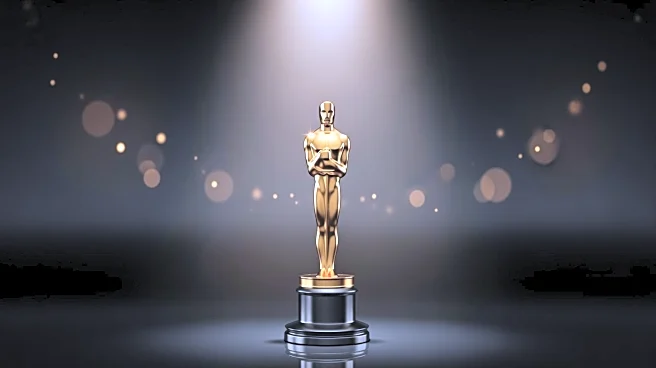
The Academy Awards, once a cultural staple in American entertainment, are facing a significant decline in viewership and cultural relevance. Historically, the Oscars attracted massive audiences, with around 50 million Americans tuning in during the 1980s
and 90s. However, recent years have seen a sharp decline, with viewership failing to surpass 20 million from 2021 to 2025. This decline is attributed to the rise of streaming services and social media, which have fragmented audiences and shifted cultural conversations away from traditional media. The Oscars are now planning to move to YouTube in 2029, aiming to capture younger audiences and adapt to modern viewing habits. This move reflects a broader trend of awards shows struggling to compete with digital ecosystems that offer personalized content and direct access to celebrities.
Why It's Important?
The decline of the Oscars highlights a significant shift in how audiences consume media and engage with cultural events. As streaming services and social media platforms continue to dominate, traditional media outlets and events like the Oscars are losing their influence. This shift has implications for the film industry, as mainstream box office hits struggle to gain recognition, while smaller, niche films often dominate award nominations. The move to YouTube represents an attempt by the Oscars to remain relevant and accessible to a global audience, but it also underscores the challenges faced by traditional media in adapting to a rapidly changing digital landscape. The outcome of this transition could influence how other major cultural events approach their own digital transformations.
What's Next?
The Oscars' transition to YouTube is expected to bring logistical challenges, as the platform lacks experience in producing live events. While YouTube's nine-figure commitment to the Oscars rights suggests a significant investment, it remains uncertain whether this move will successfully increase viewership. The platform's previous exclusive NFL game drew fewer viewers than traditional broadcasts, indicating potential hurdles in reaching a broad audience. As the Oscars adapt to this new format, they will need to address these challenges and find ways to engage younger, digitally-savvy audiences. The success of this transition could set a precedent for other awards shows and cultural events seeking to navigate the evolving media landscape.
Beyond the Headlines
The Oscars' decline in cultural relevance also reflects broader societal changes, including the erosion of Hollywood's mystique and the rise of direct-to-consumer celebrity interactions through social media. This shift has demystified celebrity culture, reducing the novelty of events like the Oscars, which once offered rare glimpses of Hollywood's elite. As audiences increasingly turn to social media for cultural engagement, the Oscars and similar events must find new ways to capture public interest and maintain their status as cultural touchstones. The long-term success of the Oscars' digital transformation will depend on their ability to adapt to these changing dynamics and redefine their role in a fragmented media landscape.