






What's Happening?
South Korean startup Unastella has successfully raised $24 million in a Series B funding round, increasing its total funding to $44 million. The company, based in Seoul, is focused on developing launch vehicles and engines, aiming to provide small satellite
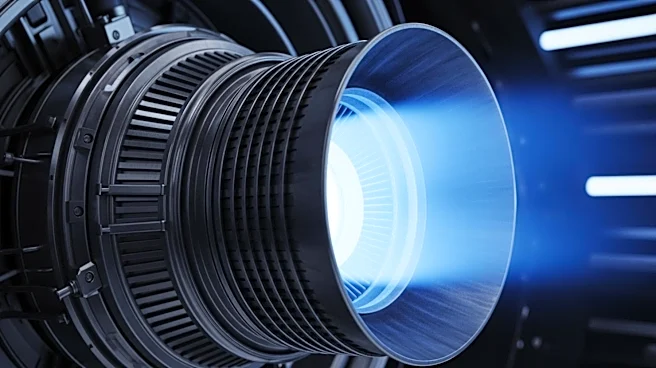
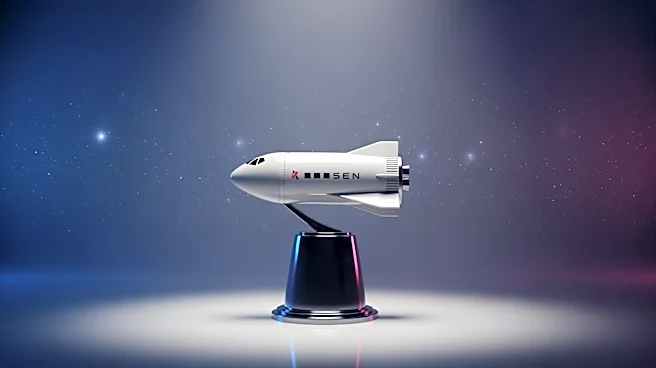
launch services. Unastella's CEO, Jae Park, highlighted the company's use of a kerosene and liquid oxygen fuel system, similar to SpaceX's Falcon series, and an electric motor pump, which is a cost-effective alternative to traditional turbopumps. This approach, while heavier and reducing payload capacity, allows Unastella to enter the market more swiftly. The company has already launched its Una Express-I rocket and plans to launch the UNA EXPRESS-II rocket later this year, aiming to reach an altitude of 100 kilometers.
Why It's Important?
Unastella's advancements in rocket technology signify a growing competitive landscape in the space launch industry, traditionally dominated by the US and China. The startup's focus on small satellite launches addresses a burgeoning market demand, driven by the increasing need for satellite-based services. The successful funding round reflects investor confidence in Unastella's potential to innovate and capture market share. This development could lead to more affordable and accessible satellite launch options, benefiting industries reliant on satellite technology, such as telecommunications, weather forecasting, and global positioning systems. Additionally, Unastella's progress may inspire further technological advancements and investments in the aerospace sector within South Korea and beyond.
What's Next?
Unastella plans to launch its UNA EXPRESS-II rocket later this year, which is expected to reach an altitude of 100 kilometers. This milestone could open new partnership opportunities and further validate the company's technological approach. As Unastella continues to develop its capabilities, it may attract additional investment and collaboration from international aerospace entities. The company's success could also encourage other startups in the region to pursue similar ventures, potentially leading to a more diversified and competitive global space industry.