
What's Happening?
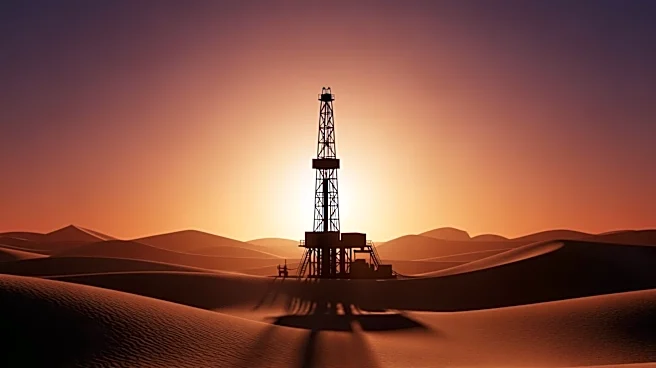
Major oil companies are ramping up their investment in high-impact exploration to address a projected 300-billion-barrel supply gap by 2050. According to a report by Wood Mackenzie, existing and sanctioned
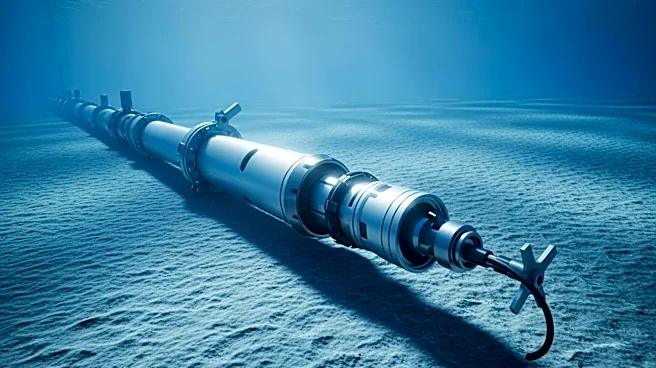
fields are expected to supply only about 700 billion barrels of liquids through mid-century, necessitating new discoveries or field extensions to meet future demand. The report highlights a significant decline in production from current assets, projected to fall by nearly 40% between 2025 and 2040. In response, oil operators are focusing on ultra-deepwater and frontier exploration, targeting large, high-value resources. This strategic shift is led by seven major oil companies and national oil companies like Petrobras, PETRONAS, and Türkiye’s TPAO, who are actively exploring in water depths exceeding 1,500 meters.
Why It's Important?
The increased exploration efforts by major oil companies are crucial for ensuring long-term energy security and meeting global demand. As existing oil fields deplete, the industry faces the challenge of discovering new reserves to fill the impending supply gap. This situation underscores the importance of technological advancements and strategic investments in exploration to sustain the global energy supply chain. The focus on ultra-deepwater exploration reflects the industry's commitment to accessing untapped resources, which could significantly impact global oil markets and energy policies. Successful discoveries in regions like Guyana, Brazil, West Africa, and Southeast Asia could lead to substantial economic benefits and reinforce the economic case for continued investment in exploration.
What's Next?
The oil industry is expected to continue its focus on high-impact exploration, with 23 high-impact wells identified for 2026. The success of these exploration efforts will be critical in determining the industry's ability to meet future energy demands. Stakeholders, including governments and investors, will closely monitor these developments, as they have significant implications for energy policies and market dynamics. The industry's ability to balance exploration risks with potential rewards will be a key factor in shaping its future trajectory.