





What's Happening?
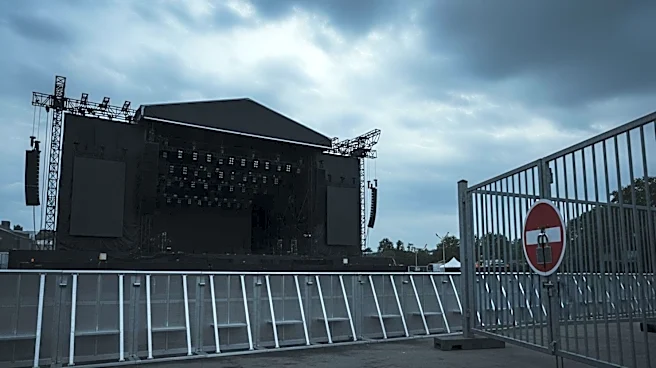
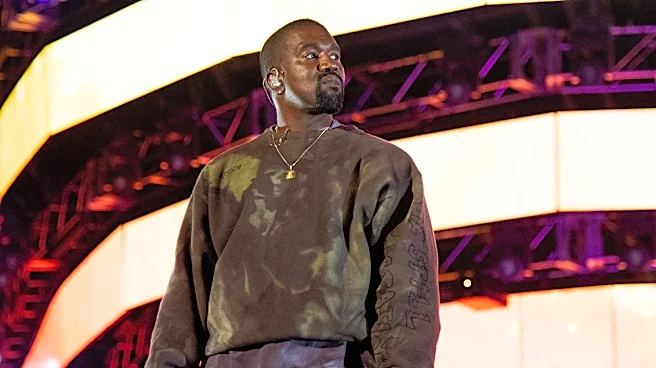
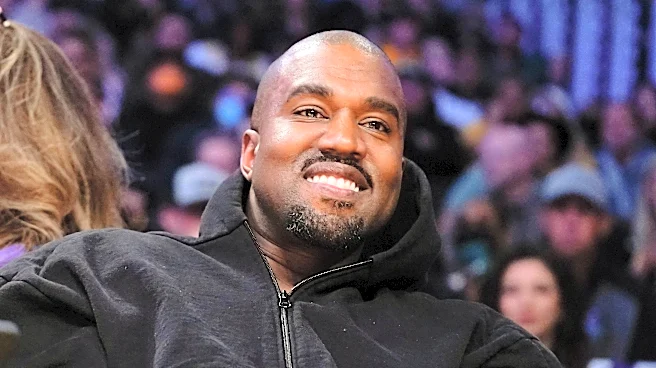
The Wireless Festival in London has been canceled after the British government barred Kanye West, also known as Ye, from entering the country. The decision follows widespread controversy over West's history of antisemitic statements, including his admiration
for Adolf Hitler and the sale of swastika merchandise. The British Home Office determined that West's presence would not be conducive to the public good. The festival, which was expected to attract 150,000 attendees, announced that all ticket holders would receive full refunds. The cancellation comes amid criticism from political leaders and the withdrawal of major sponsors.
Why It's Important?
This development highlights the significant impact of public and governmental pressure on cultural events. The decision to ban West reflects a broader societal stance against antisemitism and hate speech, emphasizing the importance of accountability for public figures. The cancellation of such a major event also underscores the potential economic repercussions for organizers and local businesses. It raises questions about the balance between artistic expression and social responsibility, as well as the role of government in regulating cultural events.
What's Next?
The festival's cancellation may prompt discussions about future booking policies and the vetting of performers with controversial histories. It could also lead to increased scrutiny of other events featuring artists with similar backgrounds. For West, the ban and subsequent cancellation may affect his international touring prospects and necessitate further efforts to rebuild his public image. The situation may also influence how sponsors and event organizers approach partnerships with high-profile figures.