


What's Happening?
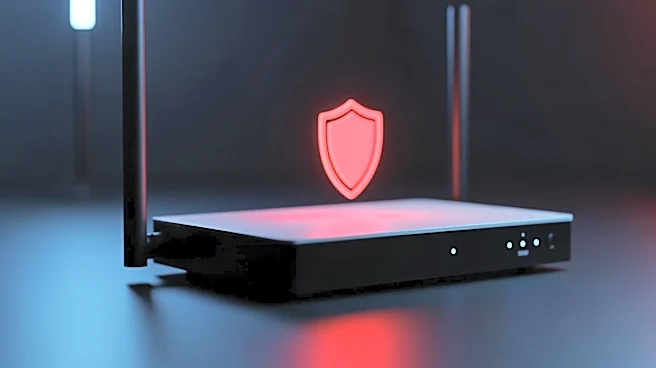
The Federal Communications Commission (FCC) has announced a ban on the sale of new foreign-made Wi-Fi routers in the United States, citing national security risks. This decision affects routers manufactured outside the U.S., including those from major
brands like TP-Link, Asus, and Netgear, which are predominantly produced in China. The ban does not apply to existing routers already authorized by the FCC, allowing consumers to continue using their current devices. However, new models produced abroad will require an exemption to be sold in the U.S., a status not yet granted to any manufacturer. The FCC's decision follows concerns over cyberattacks linked to foreign-made routers, such as the Salt Typhoon attack that exploited Cisco routers to infiltrate U.S. internet providers.
Why It's Important?
This ban represents a significant shift in the U.S. domestic Wi-Fi router market, potentially disrupting supply chains and affecting consumer choices. With an estimated 60% of routers in the U.S. manufactured in China, the ban could lead to shortages and increased prices for routers. It also underscores the U.S. government's heightened focus on cybersecurity and the protection of critical infrastructure. Router manufacturers may face increased pressure to relocate production to the U.S. or secure exemptions to continue operations. The decision could also impact internet service providers, which rely on foreign-made routers for their equipment, potentially affecting service delivery and costs.
What's Next?
Router manufacturers are likely to seek exemptions from the FCC to continue selling their products in the U.S. Meanwhile, consumers are advised to hold off on purchasing new routers until the implications of the ban are clearer. The FCC has indicated that existing routers can continue to receive software updates until at least March 1, 2027, but the long-term availability of updates remains uncertain. The industry may see a push towards establishing U.S.-based manufacturing to comply with the new regulations, although this transition could be costly and time-consuming.