
What's Happening?
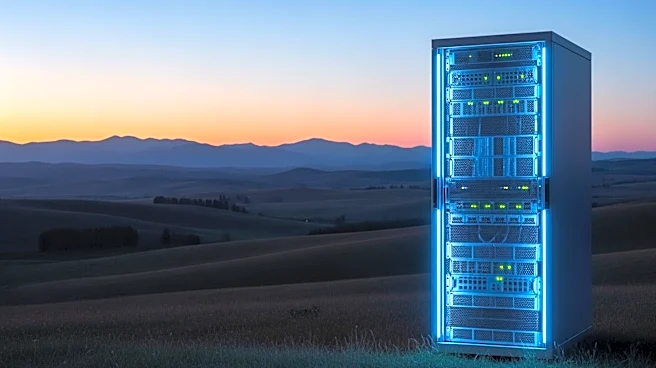
A new report indicates a significant shift in data center growth from urban to rural areas in the U.S., driven by the increasing demand for artificial intelligence and cloud computing. The Pew Research
Center estimates that about 1,500 new data centers are in planning or development stages, with nearly 40% located in counties without existing facilities. This trend is particularly notable in the Mountain West, where states like Arizona, Nevada, and Colorado are seeing new proposals. However, these developments face pushback from local communities concerned about resource consumption and environmental impacts.
Why It's Important?
The movement of data centers to rural areas could have substantial economic and infrastructural impacts. It may bring new jobs and technological advancements to these regions, potentially boosting local economies. However, the environmental concerns associated with data centers, such as high water and energy usage, pose challenges that need to be addressed. The shift also highlights the growing importance of rural areas in the tech industry, which could lead to increased investment and development in these regions.
What's Next?
As more data centers are proposed in rural areas, community engagement and environmental assessments will become crucial. Policymakers and industry leaders may need to develop strategies to balance economic benefits with environmental sustainability. Public awareness and understanding of data centers are likely to increase, potentially influencing future development and regulatory decisions. The trend may also prompt discussions on infrastructure improvements and resource management in rural communities.