






What's Happening?
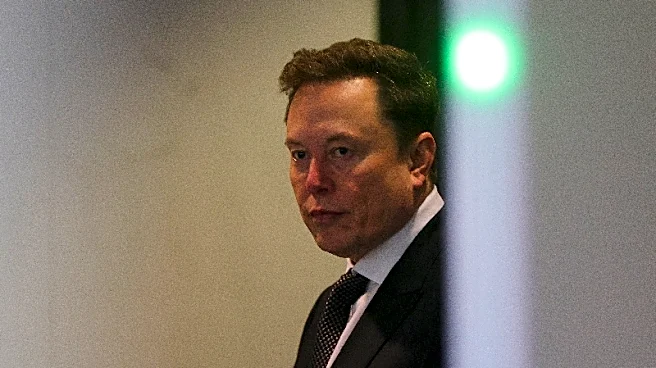
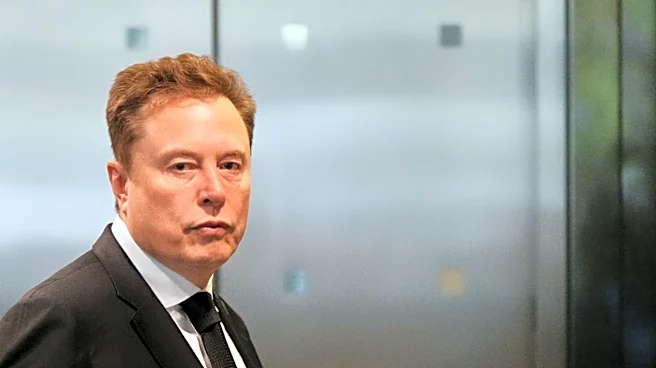
Elon Musk, CEO of Tesla, has lost a lawsuit against OpenAI's Sam Altman regarding OpenAI's conversion to a for-profit entity. The jury ruled that Musk's claims fell outside the three-year statute of limitations, leading to the dismissal of the case by
U.S. District Judge Yvonne Gonzalez Rogers. Musk announced his intention to appeal the decision, citing a 'calendar technicality' as the basis for the ruling. The case, which has been a significant point of interest in Silicon Valley, highlights the deteriorating relationship between Musk and Altman, who were once close allies. The tech community is now shifting its focus to another legal battle involving Anthropic and the Justice Department.
Why It's Important?
The outcome of this case is significant for the tech industry, particularly in Silicon Valley, as it underscores the legal complexities surrounding corporate transitions and intellectual property rights. Musk's decision to appeal could prolong the legal battle, potentially impacting OpenAI's operations and its partnerships. The case also reflects broader tensions in the tech sector, where former allies can become adversaries over strategic and financial decisions. This development may influence how tech companies approach partnerships and legal strategies in the future, especially concerning innovation and competition.
What's Next?
Musk's appeal could lead to further legal proceedings, which may set precedents for similar cases in the tech industry. The appeal process will likely draw attention from legal experts and tech companies, as it could impact how statutes of limitations are interpreted in corporate lawsuits. Additionally, the tech community will be watching the upcoming court battle between Anthropic and the Justice Department, which could have implications for regulatory practices and corporate governance in the tech sector.