
What's Happening?
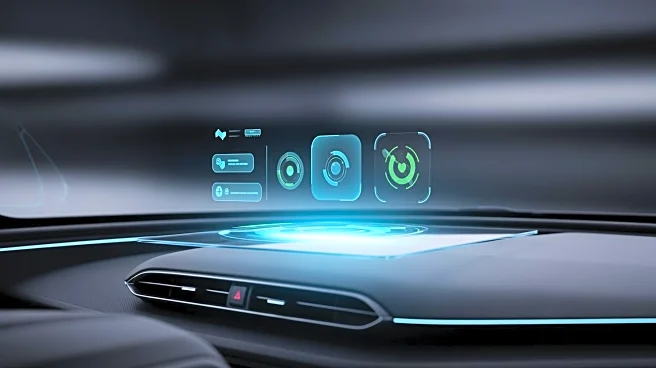
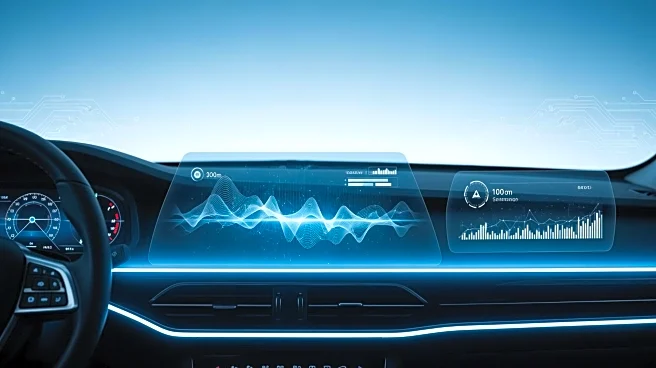
Rivian Automotive is integrating Unreal Engine 5.5 into its vehicle user interface (UI) to create a more dynamic and immersive digital environment. This move is part of Rivian's strategy to differentiate its vehicles by offering a cohesive digital experience that aligns with its adventurous brand philosophy. The use of Unreal Engine allows Rivian to render complex, high-fidelity graphics smoothly, enhancing the visual and functional aspects of the vehicle's interface. This integration supports real-time 3D rendering, enabling features like dynamic drive modes and autonomy views that display real-time data such as vehicles, lanes, and pedestrians. The decision to use Unreal Engine is not about turning vehicles into gaming consoles but about leveraging
advanced rendering capabilities to improve UI efficiency and performance.
Why It's Important?
The integration of Unreal Engine into Rivian's UI is significant as it highlights a shift in the automotive industry towards more sophisticated digital interfaces. By adopting a gaming engine, Rivian is setting a precedent for other automakers to enhance their vehicle interfaces with advanced graphics and real-time data visualization. This move could influence consumer expectations, pushing the industry towards more interactive and visually appealing UIs. For Rivian, this strategy aligns with its brand identity and could enhance customer satisfaction by providing a seamless and engaging user experience. Additionally, the efficiency gains from using Unreal Engine could free up system resources for critical functions like autonomy processing, potentially improving vehicle performance and safety.
What's Next?
As Rivian continues to develop its vehicle lineup, including the upcoming R2 model, the integration of Unreal Engine could become a standard feature across its range. This could lead to faster over-the-air updates and more polished software releases, as the development ecosystem allows for rapid iteration and feedback. Other automakers may follow suit, adopting similar technologies to stay competitive in the evolving automotive market. The success of this integration could also prompt further innovations in vehicle UI design, potentially leading to new standards in the industry.