


What's Happening?
Clara Hogan, an American mother who relocated to Bologna, Italy, with her family, has shared her observations on the differences between school lunches in Italy and the United States. Hogan moved to Italy in 2024 with her husband and two young children,
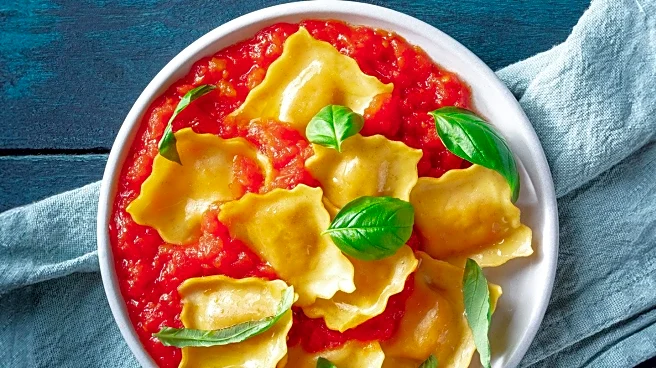
initially planning a one-year stay for her husband's MBA program. However, the family decided to extend their stay due to the appealing lifestyle. Hogan noted the stark contrast in school lunches, with Italian schools offering a variety of healthy and balanced meals, such as gramigna pasta with ragu sauce and cauliflower meatballs. In contrast, Hogan recalls her own U.S. school lunches as being quick and functional, often featuring less nutritious options like square pizza. Her TikTok video showcasing the Italian school lunch experience went viral, sparking discussions about child nutrition and school meal quality.
Why It's Important?
The comparison between Italian and U.S. school lunches underscores broader concerns about child nutrition and education in the United States. Hogan's observations highlight the potential benefits of providing children with nutritious meals, which can influence their health, learning, and long-term eating habits. The viral response to her video suggests a widespread interest in improving school meal programs in the U.S., where many parents express dissatisfaction with the quality and time allocated for school lunches. This issue resonates with parents across the country, emphasizing the need for policy discussions on enhancing school nutrition standards to support children's well-being and academic performance.
What's Next?
The viral nature of Hogan's video may prompt further discussions among parents, educators, and policymakers about the quality of school lunches in the United States. As awareness grows, there could be increased advocacy for reforms in school meal programs, potentially leading to policy changes aimed at improving nutrition standards. Stakeholders may explore initiatives to provide healthier, more diverse meal options and allocate sufficient time for students to enjoy their meals. These efforts could involve collaboration between schools, government agencies, and nutrition experts to ensure that children receive the nourishment they need for optimal growth and learning.
Beyond the Headlines
Hogan's experience also touches on cultural differences in attitudes toward food and education. The Italian approach to school lunches reflects a broader cultural emphasis on the importance of food as a communal and educational experience. This perspective contrasts with the often hurried and utilitarian approach seen in many U.S. schools. The discussion around school lunches may also lead to a reevaluation of how food education is integrated into the curriculum, encouraging a more holistic approach to teaching children about nutrition and healthy eating habits.