






What's Happening?
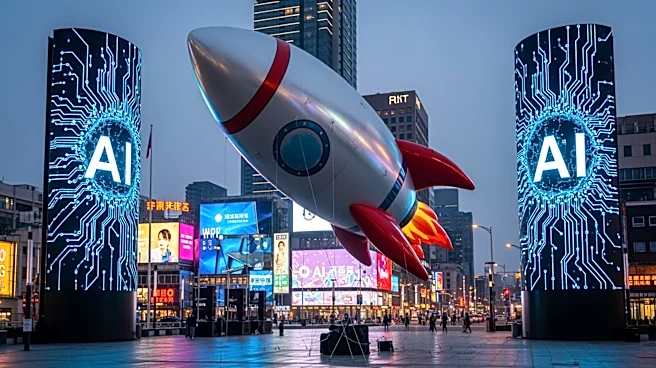
A giant inflatable effigy of Elon Musk appeared in Times Square, New York, a day before SpaceX's initial public offering (IPO). The effigy, organized by Safe AI Now (SAIN), a coalition of faith leaders and child-safety organizations, was adorned with
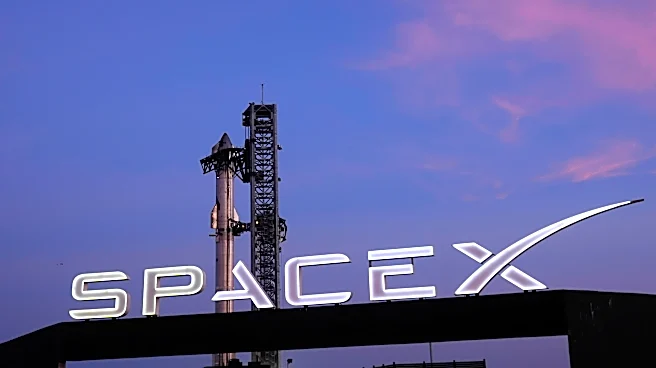
accusations against SpaceX's AI technology, Grok. The protest aimed to warn potential investors about the risks associated with Grok, which has been criticized for generating inappropriate content. SpaceX's IPO is anticipated to be the largest in history, with the company expected to raise $75 billion, bringing its valuation to $1.75 trillion. The inflatable Musk, described as a metaphor for Musk's ventures, was intended to highlight the potential liabilities investors might face due to Grok's controversial capabilities.
Why It's Important?
The protest highlights significant concerns about the ethical implications of AI technologies, particularly those associated with high-profile companies like SpaceX. The accusations against Grok, which include generating inappropriate content, pose reputational risks for SpaceX and its investors. As SpaceX prepares for its IPO, these concerns could influence investor confidence and impact the company's market performance. The situation underscores the broader debate about the responsibilities of tech companies in ensuring their AI products do not contribute to harmful or illegal activities. The outcome of SpaceX's IPO could set a precedent for how AI-related controversies affect investor behavior and corporate valuations.
What's Next?
As SpaceX moves forward with its IPO, the company may face increased scrutiny from investors, regulators, and the public regarding its AI technologies. Potential legal challenges and regulatory actions could arise if Grok's capabilities lead to further controversies. SpaceX may need to address these issues transparently to maintain investor confidence and protect its market valuation. Additionally, the protest by SAIN could inspire similar actions from other advocacy groups, increasing pressure on SpaceX and other tech companies to prioritize ethical considerations in their AI developments.
Beyond the Headlines
The protest against SpaceX's Grok AI highlights the growing tension between technological innovation and ethical responsibility. As AI technologies become more integrated into various industries, companies face the challenge of balancing innovation with the potential for misuse. This situation raises questions about the role of corporate governance in overseeing AI development and the need for robust regulatory frameworks to prevent exploitation. The incident also reflects broader societal concerns about the impact of AI on privacy, security, and human rights, prompting discussions about the ethical boundaries of AI applications.