







What's Happening?
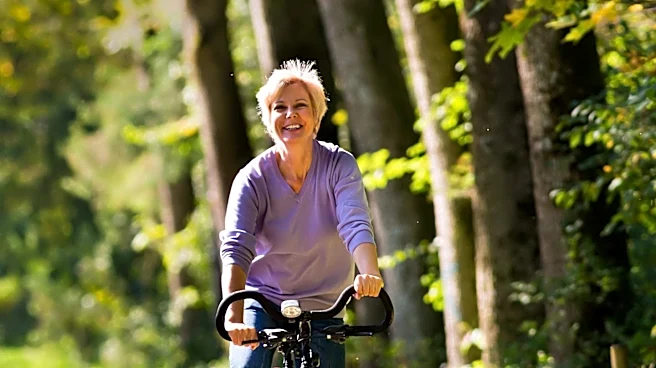
Peter Brenner, an 87-year-old retired senior food service manager from Westchester, New York, maintains a rigorous fitness routine that he believes keeps him as fit as he was 40 years ago. Brenner's regimen includes cycling up to 80 miles a week, practicing
Bikram yoga twice weekly, and engaging in weight and strength training sessions with a personal trainer. His diet focuses on avoiding sugar and processed foods, opting instead for meals rich in proteins and fresh vegetables. Brenner attributes his youthful vitality to a disciplined lifestyle and a mindset shaped by a challenging childhood, which included time in an orphanage and service in the West German Border Police. His story highlights the importance of physical activity and mental engagement, such as attending theater and engaging in lively discussions, in maintaining health and well-being in later life.
Why It's Important?
Brenner's story underscores the potential for maintaining physical fitness and mental acuity well into old age, challenging common perceptions about aging. His lifestyle choices offer insights into how regular exercise and a balanced diet can contribute to longevity and quality of life. As the U.S. population ages, Brenner's example may inspire others to adopt healthier habits, potentially reducing healthcare costs and improving life satisfaction among seniors. His approach also highlights the role of mental stimulation and social interaction in promoting overall well-being, suggesting that a holistic approach to health can have significant benefits.
What's Next?
Brenner's commitment to fitness and health serves as a model for others, particularly as the aging population seeks ways to remain active and engaged. His story may encourage more seniors to explore fitness programs tailored to their needs, potentially leading to increased demand for senior-friendly exercise facilities and trainers. Additionally, Brenner's emphasis on mental engagement could inspire community programs focused on lifelong learning and social interaction for older adults. As awareness of the benefits of such a lifestyle grows, there may be broader societal shifts towards supporting active aging initiatives.