



What's Happening?
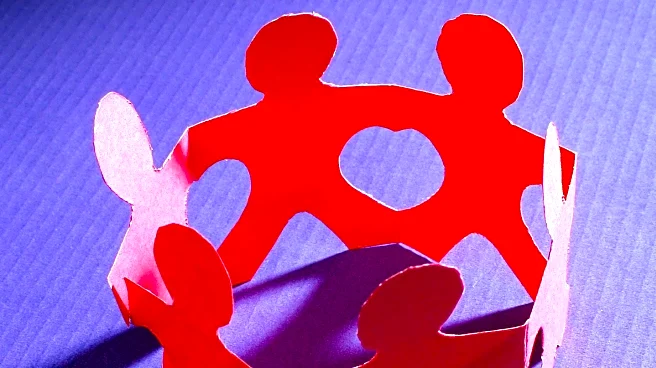
An opinion piece discusses the importance of intergenerational programs in Jewish communities, focusing on initiatives like the Better Together program. This program connects middle school students with older adults, fostering relationships that help combat feelings of invisibility and loneliness among seniors. The article highlights personal anecdotes, such as a World War II veteran's experiences with public recognition, to illustrate the profound impact of being seen and acknowledged. The piece emphasizes the value of small gestures, like using someone's name, in making individuals feel valued and connected.
Why It's Important?
The discussion on intergenerational programs sheds light on the broader societal issue of loneliness and invisibility, particularly among
older adults. These programs not only provide companionship but also enrich the lives of participants by bridging generational gaps. The emphasis on visibility and acknowledgment can lead to stronger community bonds and improved mental health outcomes. As communities seek to address these challenges, such programs offer a model for fostering inclusivity and respect across age groups, potentially influencing public policy and community planning.
Beyond the Headlines
The article touches on deeper cultural and ethical dimensions, such as the Jewish teaching from Pirkei Avot about the power of greeting others. This highlights the cultural importance of community and recognition in Jewish life. The piece suggests that addressing invisibility requires more than just large-scale initiatives; it involves everyday actions that affirm individual worth and dignity. This perspective encourages a shift in how communities approach social inclusion, advocating for a culture of acknowledgment and respect.