






What's Happening?
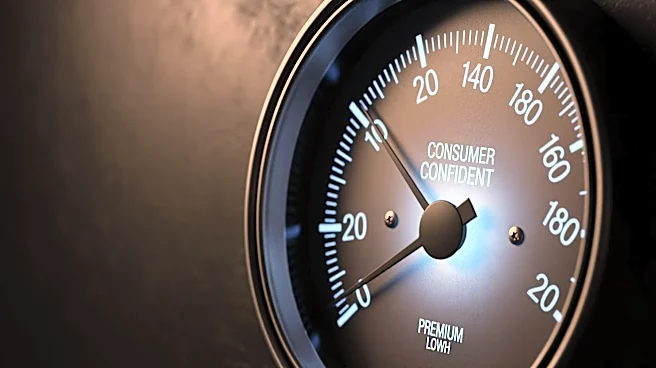
According to a University of Michigan survey, consumer sentiment in the United States has plummeted to a record low of 47.6. This represents a significant decline of 10.7% from the previous month, marking the lowest level ever recorded. The survey highlights
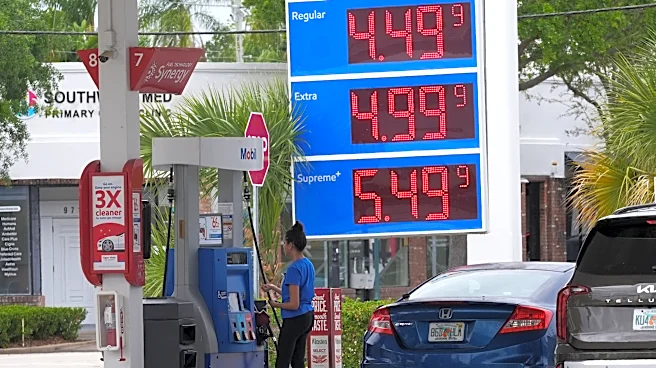
growing concerns among consumers about the economic outlook, influenced by factors such as inflation and geopolitical tensions. The drop in sentiment reflects a broader unease about the future economic conditions, as consumers face rising prices and uncertainty in global markets.
Why It's Important?
The sharp decline in consumer sentiment is a critical indicator of potential challenges for the U.S. economy. Consumer confidence is a key driver of economic activity, influencing spending and investment decisions. A record low sentiment suggests that consumers may reduce their spending, which could slow economic growth. This development is particularly concerning as the economy grapples with inflationary pressures and geopolitical uncertainties. Businesses may face reduced demand, impacting revenues and potentially leading to adjustments in employment and investment strategies.
What's Next?
The record low consumer sentiment may prompt policymakers to consider measures to bolster confidence and stimulate economic activity. The Federal Reserve and government officials might explore options such as interest rate adjustments or fiscal stimulus to address consumer concerns. Additionally, businesses may need to adapt their strategies to navigate the challenging economic environment, potentially focusing on cost management and innovation to maintain competitiveness. Monitoring consumer sentiment trends will be crucial for stakeholders to assess the effectiveness of any interventions and the overall economic trajectory.