




What's Happening?
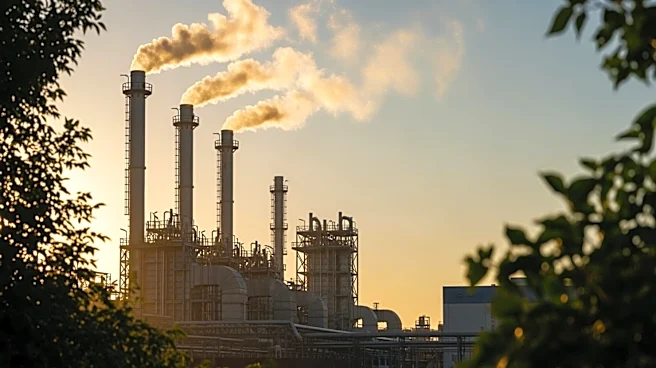
The steel industry is undergoing a significant transition, focusing on demand, scrap, and electric arc furnaces rather than hydrogen as the primary solution for decarbonization. The global production of crude steel, approximately 1.9 billion tons annually,
largely relies on traditional methods involving blast furnaces and basic oxygen furnaces. However, the industry's shift towards electric arc furnaces, which utilize scrap and clean electricity, is gaining momentum. This approach is seen as more sustainable and scalable compared to hydrogen-based solutions. The transition emphasizes the importance of reducing steel demand, increasing scrap utilization, and expanding electric arc furnace capacity to address the industry's carbon emissions effectively.
Why It's Important?
The steel industry's transition is crucial for reducing its significant carbon footprint, which contributes to global climate change. By prioritizing demand management, scrap recycling, and electric arc furnaces, the industry can achieve substantial emissions reductions. This shift not only aligns with global decarbonization goals but also presents economic opportunities through the development of new technologies and processes. The focus on electric arc furnaces and scrap utilization could lead to more sustainable steel production, influencing policies and investments in the sector. This transition also highlights the need for strategic planning and innovation to meet future steel demand sustainably.
Beyond the Headlines
The move away from hydrogen as the central solution for steel decarbonization reflects a broader understanding of the industry's challenges. It underscores the importance of a holistic approach that considers material flows, regional strategies, and the integration of renewable energy sources. The emphasis on electric arc furnaces and scrap recycling could drive advancements in recycling technologies and infrastructure, promoting a circular economy. Additionally, this transition may influence global trade patterns and industrial policies, as countries adapt to new production methods and market demands. The steel industry's evolution could serve as a model for other heavy industries seeking to reduce their environmental impact.