






What's Happening?
Gold prices have fallen by more than 1% due to a stronger U.S. dollar and rising Treasury yields, driven by persistent inflation concerns. Spot gold dropped to its lowest level since March 30, with U.S. gold futures for June delivery also settling lower.
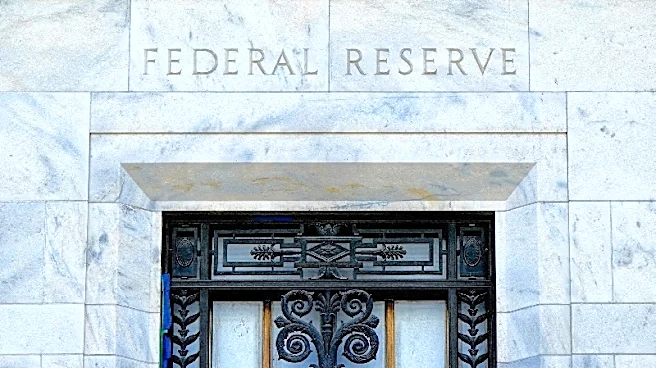
The increase in real interest rates globally is putting pressure on gold, traditionally seen as a hedge against inflation. The stronger dollar makes gold more expensive for holders of other currencies, while higher Treasury yields increase the opportunity cost of holding non-yielding assets like gold. The market is adjusting to the possibility of a hawkish shift by the Federal Reserve to address energy-driven inflation.
Why It's Important?
The decline in gold prices highlights the challenges faced by commodities in a high interest rate environment. As central banks, including the Federal Reserve, consider tightening monetary policy to combat inflation, the cost of holding non-yielding assets like gold increases. This shift in monetary policy expectations can lead to volatility in commodity markets and impact investment strategies. The strengthening dollar and rising yields also reflect broader economic concerns, including the impact of energy prices on inflation and economic growth. Investors and policymakers will need to navigate these dynamics carefully to maintain economic stability.
What's Next?
Market participants are awaiting the minutes of the Federal Reserve's latest policy meeting for further guidance on interest rate expectations. The potential for continued inflationary pressures, driven by high energy prices, suggests that central banks may maintain or increase interest rates to manage price stability. This environment could continue to weigh on gold prices and other commodities. Investors will be closely monitoring economic indicators and central bank communications for signals of future policy actions. The interplay between inflation, interest rates, and currency strength will remain a key focus for financial markets.