







What's Happening?
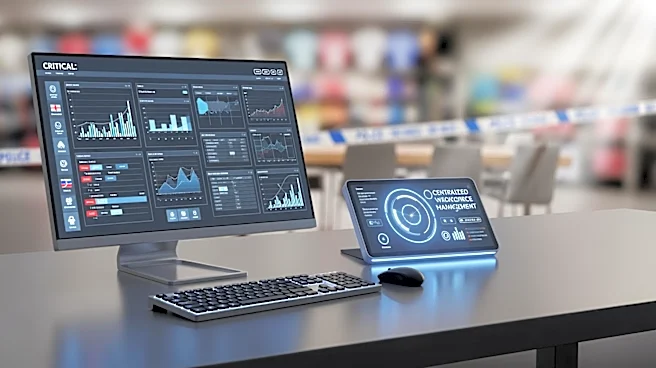
Retailers are increasingly adopting centralized systems to improve workforce availability across multiple locations. These systems help manage staff schedules, track absences, and ensure consistent communication, reducing the confusion and inefficiencies
associated with traditional methods like spreadsheets and emails. By providing real-time updates and a unified view of staff availability, these tools enable managers to make informed decisions quickly, minimizing disruptions caused by unplanned absences. The shift towards digital solutions reflects a broader trend in retail operations to enhance efficiency and reduce operational costs.
Why It's Important?
Improving workforce management is crucial for retailers facing challenges such as labor shortages and fluctuating demand. Centralized systems can lead to better resource allocation, reduced overtime costs, and improved employee satisfaction by ensuring fair and transparent scheduling. As retailers strive to remain competitive, adopting technology-driven solutions can provide a significant advantage in managing complex operations. This trend also highlights the growing importance of data-driven decision-making in retail, as companies seek to optimize their operations and enhance customer service.
Beyond the Headlines
The adoption of centralized workforce management systems may have broader implications for labor relations and employee rights. As these systems become more prevalent, there may be increased scrutiny on how data is used to make scheduling decisions and its impact on work-life balance. Additionally, the reliance on technology raises questions about data privacy and the potential for algorithmic bias in workforce management. Retailers will need to navigate these challenges carefully to ensure that technological advancements benefit both the business and its employees.