
What's Happening?
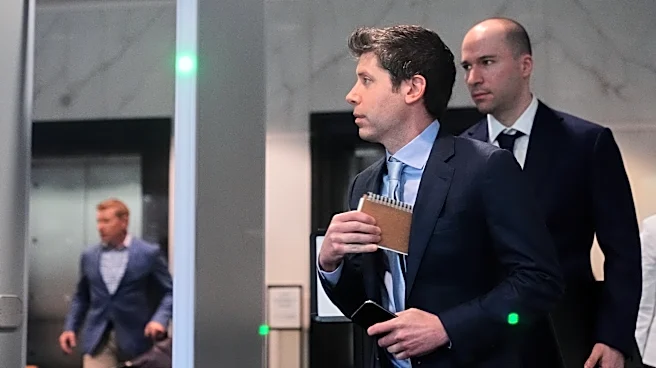
In Oakland, California, lawyers for Elon Musk and OpenAI presented their final arguments in a significant trial that could influence the future of artificial intelligence. The case centers on Musk's allegations
against OpenAI CEO Sam Altman and his deputy, accusing them of deviating from the original nonprofit mission of OpenAI to pursue profit-driven goals. Musk, a co-founder of OpenAI, claims this shift occurred without his consent, leading to his lawsuit filed in 2024. The trial's outcome could affect the balance of power in the AI sector, as OpenAI, Musk's AI firm, and Anthropic, a company formed by former OpenAI leaders, are all preparing for major initial public offerings. Musk seeks damages, changes to OpenAI's business structure, and Altman's removal from leadership. A key issue is whether Musk filed his lawsuit within the statute of limitations, with OpenAI arguing that he waited too long to claim harms before August 2021.
Why It's Important?
The trial's outcome holds significant implications for the AI industry, potentially affecting the strategic direction and governance of major AI firms. If Musk prevails, it could disrupt OpenAI's IPO plans and alter its leadership, impacting its competitive position. The case also highlights broader concerns about the commercialization of AI and its societal impacts, including economic and ethical considerations. The trial underscores the tension between profit motives and the original altruistic goals of AI development, raising questions about the accountability and transparency of tech leaders. The decision could set precedents for how AI companies balance innovation with ethical responsibilities.
What's Next?
The jury's decision will determine whether Musk's lawsuit was filed in time and if OpenAI breached a 'charitable trust.' If Musk wins, it could lead to significant changes in OpenAI's structure and leadership. The trial's outcome may prompt reactions from stakeholders in the tech industry, including investors and regulators, who are closely watching the implications for AI governance. The case could influence future legal frameworks and industry standards for AI development, potentially prompting calls for increased oversight and ethical guidelines.
Beyond the Headlines
The trial raises deeper questions about the role of AI in society and the responsibilities of tech leaders. It highlights the ethical dilemmas of balancing innovation with public good, as AI technologies increasingly influence various sectors. The case also reflects broader societal concerns about the concentration of power in the hands of a few tech giants and the potential risks of AI advancements. The outcome could spark discussions on the need for global cooperation and regulation to ensure AI benefits humanity while mitigating potential harms.