





What's Happening?
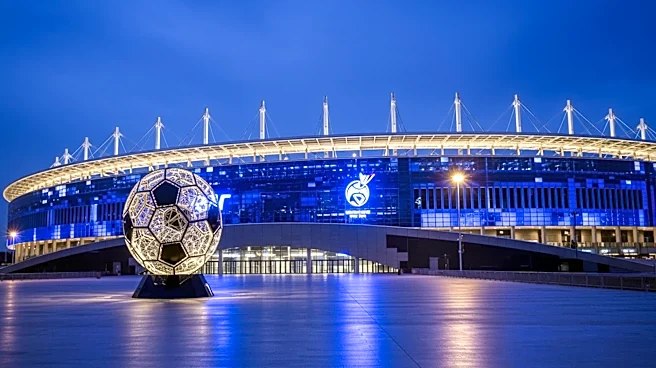
Monterrey, a city in northern Mexico, is gearing up to host several matches for the 2026 FIFA World Cup. The games will be held at the Estadio BBVA, a modern stadium located in the suburb of Guadalupe, which can accommodate 53,500 spectators. The stadium is known
for its stunning views of the Cerro de la Silla, a distinctive mountain that surrounds the city. Monterrey will host four matches, including a round of 32 match. The city is known for its industrial roots and proximity to the U.S., making it a business powerhouse in Mexico. The local culture is deeply rooted in soccer, with residents ready to welcome international visitors. The city offers a variety of attractions, including the Parque Fundidora, a large urban park, and the Museo De Arte Contemporáneo De Monterrey, one of the best modern art museums in Latin America.
Why It's Important?
Hosting the World Cup is a significant opportunity for Monterrey to showcase its cultural and economic strengths on a global stage. The influx of international visitors is expected to boost the local economy, particularly in the hospitality and tourism sectors. The event will also highlight Monterrey's capacity to host large-scale international events, potentially attracting future opportunities. The World Cup is a chance for the city to strengthen its global connections and promote its cultural heritage. Additionally, the event will bring attention to Monterrey's infrastructure and urban development, as the city works to accommodate the needs of thousands of soccer fans.
What's Next?
As the World Cup approaches, Monterrey will continue to prepare its infrastructure and services to ensure a smooth experience for visitors. This includes expanding transportation options and enhancing security measures. Local businesses, particularly in the hospitality and tourism sectors, are likely to ramp up their offerings to cater to international guests. The city may also see increased investment in public spaces and facilities as it gears up for the event. Stakeholders, including local government and business leaders, will be focused on maximizing the economic and cultural benefits of hosting the World Cup.
Beyond the Headlines
The World Cup in Monterrey could have long-term implications for the city's international reputation and economic development. Successfully hosting the event may position Monterrey as a desirable location for future international events, boosting its profile as a global city. The focus on infrastructure improvements could lead to lasting benefits for residents, enhancing the quality of life and accessibility in the city. Additionally, the event may foster a greater sense of community and pride among residents, as they come together to welcome the world to their city.