







What's Happening?
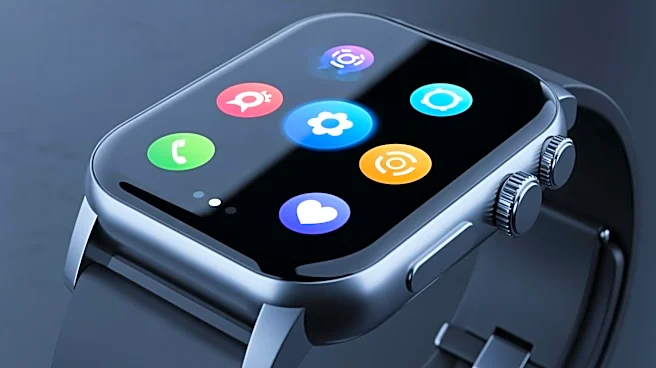
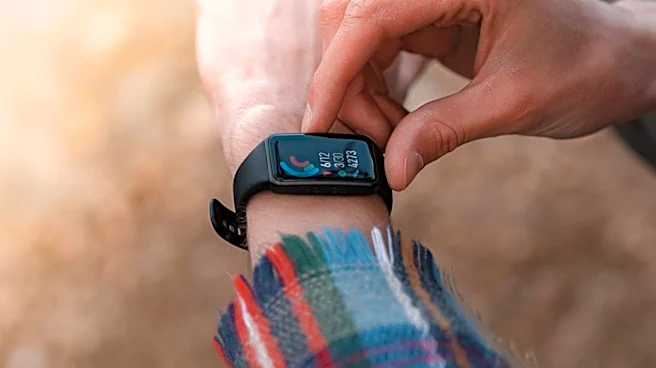
The landscape of health trackers is undergoing a significant transformation as companies focus on creating smaller, less conspicuous devices. This shift is driven by advancements in hardware and software, allowing for the development of wearables that
are lighter, more capable, and less visible. The trend began with the introduction of the Apple Watch in 2014, which popularized the concept of wearable health technology. Since then, the market has expanded to include a variety of discreet devices such as smart rings, earrings, and continuous glucose monitors (CGMs) that blend seamlessly with everyday accessories. The goal is to make these devices as invisible as possible while still providing valuable health data. Companies like Oura have capitalized on this trend, with their Oura Ring 5 being 40% thinner than its predecessor, yet offering improved battery life and health tracking capabilities.
Why It's Important?
The miniaturization of health trackers represents a significant shift in how consumers interact with health technology. By making these devices less obtrusive, companies are encouraging more consistent use, which can lead to better health outcomes. The ability to wear these devices continuously allows for the collection of comprehensive health data, providing users with insights into their sleep patterns, activity levels, and overall wellness. This data can be crucial for early detection of health issues and for making informed lifestyle changes. Furthermore, the integration of these devices into daily life without drawing attention to them aligns with a broader trend of technology becoming more seamlessly embedded in our routines. This evolution could lead to a more health-conscious society, where individuals are more aware of their health metrics and can take proactive steps to improve their well-being.
What's Next?
As health trackers continue to evolve, we can expect further advancements in their capabilities and integration into daily life. Companies are likely to focus on enhancing the accuracy and range of health metrics that these devices can monitor. Additionally, there may be increased collaboration with healthcare providers to ensure that the data collected by these devices can be effectively used in medical settings. Regulatory developments may also play a role, as companies seek FDA clearance for new health monitoring features. The ongoing miniaturization and improvement of these devices could lead to broader adoption and acceptance, potentially transforming how individuals manage their health and interact with healthcare systems.
Beyond the Headlines
The trend towards smaller, more discreet health trackers raises important questions about data privacy and security. As these devices collect increasingly detailed health information, ensuring that this data is protected from unauthorized access will be crucial. Additionally, there are ethical considerations regarding the use of this data by employers or insurance companies. As the technology becomes more integrated into daily life, it will be important to establish clear guidelines and regulations to protect consumer rights. Furthermore, the cultural shift towards constant health monitoring may have psychological implications, as individuals become more focused on quantifying their health metrics. Balancing the benefits of these devices with potential privacy and psychological concerns will be an ongoing challenge.