





What's Happening?
Experts are raising concerns about the safety of using old plastic containers for food storage, highlighting potential health risks. Chamali Kodikara, chair of the food safety and quality management division at the Institute of Food Technologists, explains
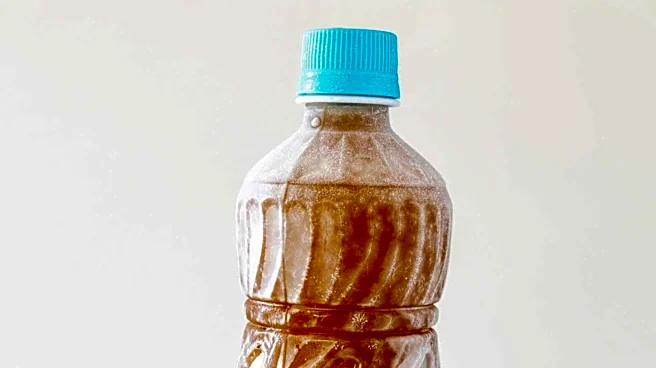
that as plastic containers age, they undergo physical and chemical degradation due to heat, sunlight, washing, and mechanical wear. This degradation can lead to the shedding of particles and chemical leaching, which may pose health risks. Keith Warriner, a professor in the department of food science at the University of Guelph, warns that worn containers can harbor microbes in cracks and scratches, potentially leading to contamination by pathogens such as Listeria monocytogenes. Experts advise against using old plastic containers for storing hot, fatty, or acidic foods, as these can exacerbate the release of harmful chemicals.
Why It's Important?
The use of degraded plastic containers for food storage poses significant health risks, particularly due to the potential for chemical leaching and microbial contamination. Listeria monocytogenes, a pathogen that can thrive in the cracks of old containers, is a leading cause of foodborne illness-related deaths in the United States. The advice to avoid using certain types of plastics, such as those with recycling codes 3, 6, and 7, is crucial for consumer safety. This issue underscores the importance of proper food storage practices and the need for public awareness about the potential dangers of reusing old plastic containers. The shift towards safer alternatives like glass, ceramic, and stainless steel could reduce health risks associated with plastic degradation.
What's Next?
Consumers are encouraged to evaluate their current food storage practices and consider replacing old plastic containers with safer alternatives. Experts suggest checking the recycling codes on containers to identify safer options, such as those with codes 1, 2, 4, and 5. As awareness grows, there may be increased demand for safer food storage solutions, potentially influencing market trends and consumer behavior. Additionally, further research and public health campaigns could emerge to educate the public on the risks associated with plastic degradation and the benefits of alternative materials.
Beyond the Headlines
The concerns about plastic container safety reflect broader issues related to plastic waste and environmental sustainability. As consumers become more aware of the health risks, there may be a cultural shift towards reducing plastic use and embracing more sustainable practices. This could lead to increased advocacy for stricter regulations on plastic production and disposal, as well as innovations in biodegradable and eco-friendly materials. The movement towards safer food storage solutions may also inspire changes in consumer habits, promoting a more health-conscious and environmentally responsible society.