
What's Happening?
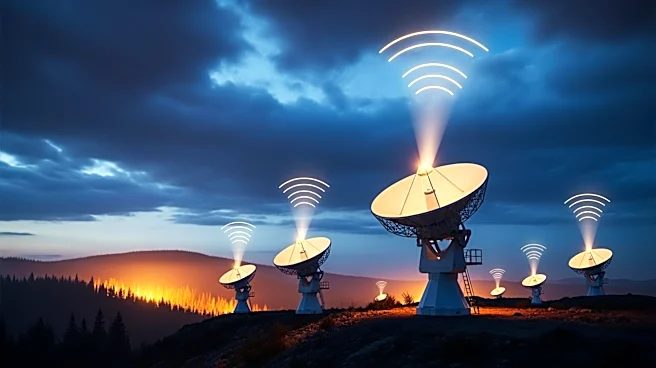
CATALYST, a brand of PCI Geomatics, has introduced UrbanSAR, a new satellite-based product designed to improve urban safety by detecting millimeter-scale shifts in buildings. This technology uses interferometric
synthetic aperture radar (SAR) to monitor changes in structures over time, providing a comprehensive view of a building's status, including nearby infrastructure like tunnels and roads. The product aims to address the blind spots in traditional building monitoring, which often miss movements in the upper floors of skyscrapers. According to PCI Geomatics CEO June McAlarey, this technology can inform construction firms, insurers, and city authorities about pre-existing movements and risks, enhancing urban planning and safety.
Why It's Important?
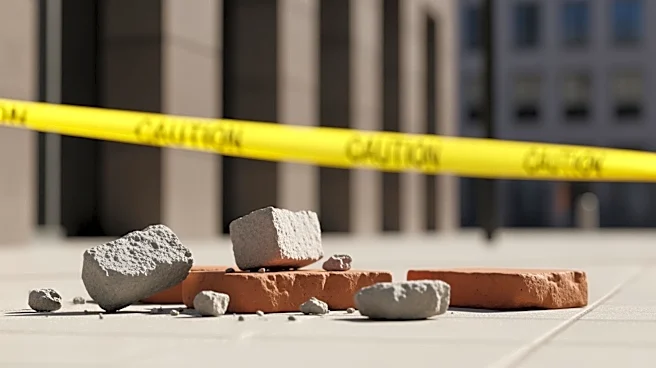
The introduction of UrbanSAR is significant as it addresses the limitations of traditional building monitoring methods, which can overlook critical structural shifts. This technology is particularly relevant as urban areas continue to densify, posing potential safety risks. By providing detailed insights into building movements, UrbanSAR can help prevent structural failures and improve the safety of urban environments. This advancement is crucial for insurers and city planners who need accurate data to assess risks and make informed decisions. The ability to monitor infrastructure from space also supports broader urban planning efforts, such as tracking environmental conditions and managing natural disasters.
What's Next?
As UrbanSAR becomes integrated into urban planning and safety protocols, it is likely to influence how cities approach construction and infrastructure management. Stakeholders such as construction companies, insurers, and municipal authorities may adopt this technology to enhance their monitoring capabilities. The technology could also lead to regulatory changes, requiring more comprehensive monitoring of new and existing structures. Additionally, as the technology proves its value, it may spur further innovations in satellite-based urban monitoring, potentially expanding to other areas such as environmental monitoring and disaster response.