






What's Happening?
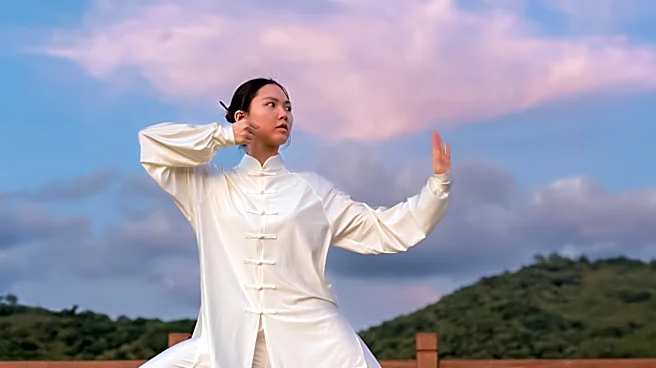
A study conducted by researchers at University College London has found that regular engagement in artistic activities such as music, dance, and painting can contribute to slower biological aging. The research utilized 'epigenetic clocks' to measure biological age and found that individuals
who participated in arts activities at least weekly were biologically younger than those who did not. The study suggests that the arts provide cognitive and sensory stimulation, social interaction, and stress reduction, which are beneficial for aging. The researchers advocate for the inclusion of arts in public health strategies, highlighting their potential to enhance community wellbeing.
Why It's Important?
The findings of this study underscore the potential of integrating arts into public health policies as a means to promote healthier aging. By demonstrating that arts engagement can have similar benefits to physical exercise, the study challenges traditional health strategies that focus primarily on physical habits like diet and exercise. This could lead to a broader understanding of health that includes creative and social activities as essential components. The implications are significant for policymakers, healthcare providers, and communities, as they may need to consider expanding access to arts and cultural activities as part of holistic health initiatives.