





What's Happening?
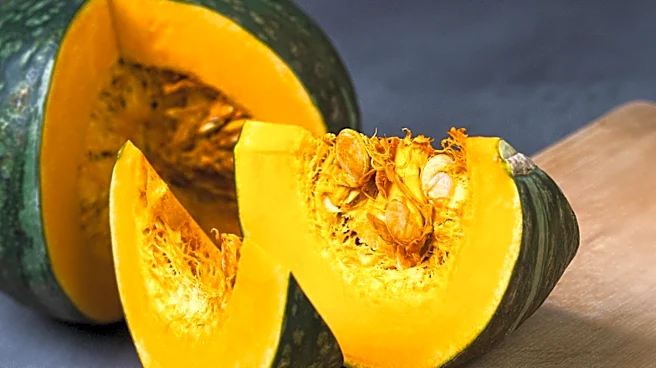
A recent article by Dr. Maya Rosman in The Jerusalem Post explores the nutritional benefits of pumpkins, emphasizing their low-calorie content and high levels of beta-carotene. The article details various types of pumpkins, such as butternut, acorn, and spaghetti
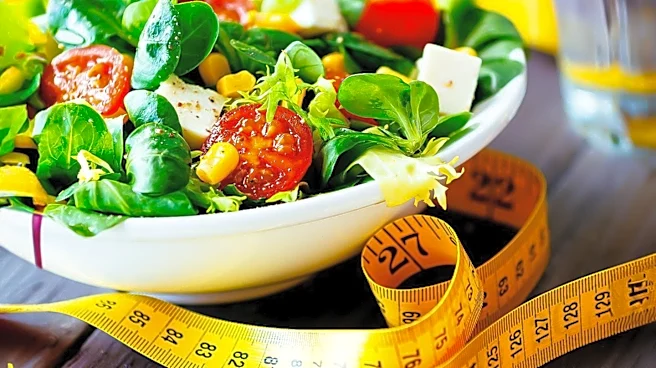
squash, each with unique flavors and culinary uses. Pumpkins are noted for their rich nutritional profile, including vitamins A, C, B6, and folic acid, as well as potassium and dietary fiber. These components contribute to eye health, immune system support, and overall well-being. The article also dispels myths about pumpkins being high in sugar, highlighting their suitability for weight loss diets due to their low caloric density.
Why It's Important?
The growing interest in pumpkins as a health food reflects broader trends in nutrition and wellness. As consumers become more health-conscious, the demand for foods rich in vitamins and antioxidants is increasing. Pumpkins, with their versatile culinary applications and health benefits, are well-positioned to meet this demand. This shift could influence agricultural practices, encouraging farmers to diversify crops to include more pumpkins. Additionally, the emphasis on pumpkins' health benefits may lead to increased research and development in food science, exploring new ways to incorporate pumpkins into everyday diets.