







What's Happening?
SetPoint Medical has announced the publication of a cost-effectiveness study in the Journal of Medical Economics, highlighting the benefits of its FDA-approved SetPoint System for treating moderate-to-severe rheumatoid arthritis (RA). The study indicates
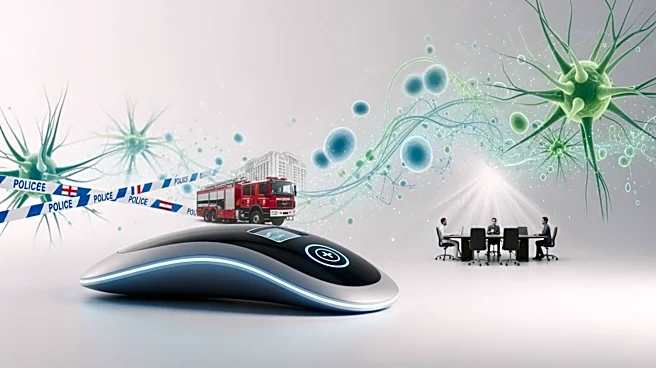
that the neuroimmune modulation device can save the U.S. healthcare system over $350,000 per patient over a lifetime compared to standard pharmacologic treatments. The device, which stimulates the vagus nerve to reduce inflammation, is projected to recoup its costs within 16 months of use. The study's findings suggest that the SetPoint System is not only clinically beneficial but also economically advantageous, offering a dominant treatment strategy with significant cost savings and improved quality-adjusted life-years (QALYs).
Why It's Important?
The introduction of the SetPoint System represents a significant shift in the treatment of RA, a chronic autoimmune disease affecting over 1.5 million Americans. Traditional treatments with biological and targeted synthetic antirheumatic drugs (b/tsDMARDs) are costly, with expenditures reaching nearly $30 billion in 2023. The SetPoint System offers a non-pharmacologic alternative that could alleviate financial burdens on the healthcare system while improving patient outcomes. This development is particularly relevant for patients who do not respond to or cannot tolerate existing drug therapies, providing them with a viable treatment option that enhances their quality of life.
What's Next?
SetPoint Medical plans to expand the availability of its system across the U.S. throughout 2026. The company is also exploring the application of its neuroimmune modulation technology for other autoimmune conditions, such as multiple sclerosis and Crohn's disease. As the healthcare industry continues to seek cost-effective solutions, the success of the SetPoint System could encourage further investment in device-based therapies, potentially transforming the standard of care for various chronic conditions.