
What's Happening?
Milan-based health coach Hanako Verne has highlighted the benefits of incorporating plant-based foods into diets to promote healthy aging and hormonal balance. According to Verne, a diet rich in fruits
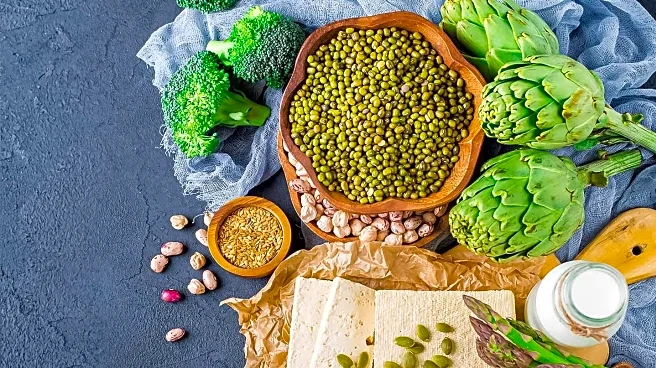
and vegetables can significantly impact longevity and overall health. She emphasizes the importance of plant-based proteins, such as those found in beans and soy, as well as foods high in omega fatty acids like avocados and nuts. These foods are noted for their antioxidant properties, which are crucial for skin health. Verne also suggests soy products as alternatives to meat for managing hormonal imbalances, particularly in reducing premenstrual symptoms. Additionally, she recommends potassium-rich foods like celery and cucumbers to combat puffiness and swelling.
Why It's Important?
The emphasis on plant-based diets aligns with growing trends in health and wellness that prioritize natural and sustainable food sources. By focusing on plant-based nutrition, individuals can potentially reduce inflammation and oxidative stress, which are linked to aging and various health issues. This dietary approach not only supports personal health but also contributes to environmental sustainability by reducing reliance on animal products. The advice provided by Verne could influence dietary habits, encouraging more people to adopt plant-based diets for improved health outcomes. This shift could also impact the food industry, increasing demand for plant-based products and potentially leading to more innovation in this sector.
What's Next?
As awareness of the benefits of plant-based diets continues to grow, it is likely that more individuals will explore these dietary options. This could lead to increased availability and variety of plant-based products in the market. Health professionals and nutritionists may further research and promote the specific benefits of various plant-based foods, potentially leading to new dietary guidelines. Additionally, the food industry might respond by expanding their offerings to meet the rising demand for plant-based alternatives, which could also influence agricultural practices and food production methods.
Beyond the Headlines
The promotion of plant-based diets also touches on ethical and cultural dimensions, as it encourages a shift away from traditional meat-centric diets. This change could lead to broader discussions about food ethics, animal welfare, and the environmental impact of food production. Furthermore, as more people adopt plant-based diets, there may be a cultural shift towards valuing sustainability and health-conscious living. This could influence public policy, with potential implications for food labeling, marketing, and education about nutrition and health.