



What's Happening?
John Eccleshare, Head of Information Security at bet365, discusses the evolving role of AI in cybersecurity. He notes that while AI enhances detection and response capabilities, it also lowers the barrier for attackers, making it easier to execute sophisticated
attacks. AI-generated phishing emails and deepfake voice calls are becoming more convincing, increasing the cognitive load on security personnel. Eccleshare emphasizes that despite technological advancements, human judgment remains crucial in cybersecurity. Organizations must focus on educating employees to recognize and respond to threats, as attackers often exploit psychological tactics rather than technical vulnerabilities.
Why It's Important?
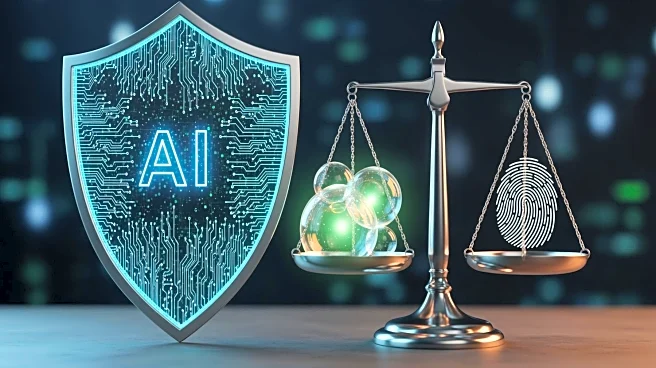
The integration of AI in cybersecurity presents both opportunities and challenges. While AI can improve efficiency and response times, it also requires organizations to adapt their security strategies to address new types of threats. The emphasis on human judgment highlights the need for a balanced approach, where technology supports but does not replace human decision-making. This approach is vital for maintaining robust security measures, as attackers increasingly target human vulnerabilities. By investing in employee education and fostering a culture of security awareness, organizations can better protect themselves against evolving cyber threats.
What's Next?
As AI continues to evolve, organizations will need to refine their cybersecurity strategies to balance automation with human oversight. This includes developing training programs that enhance employees' ability to recognize and respond to threats. Companies may also need to reassess their security policies to ensure they are adaptable to the changing threat landscape. By prioritizing human judgment and collaboration, organizations can create a more resilient security framework that effectively addresses both current and future challenges.