


What's Happening?
The Lyst Index for the first quarter of 2026 has been released, showcasing a new methodology that emphasizes 'Desire, Demand, and Discovery.' Chanel has emerged as the top brand, driven by its recent Resort show in Biarritz and the popularity of its latest
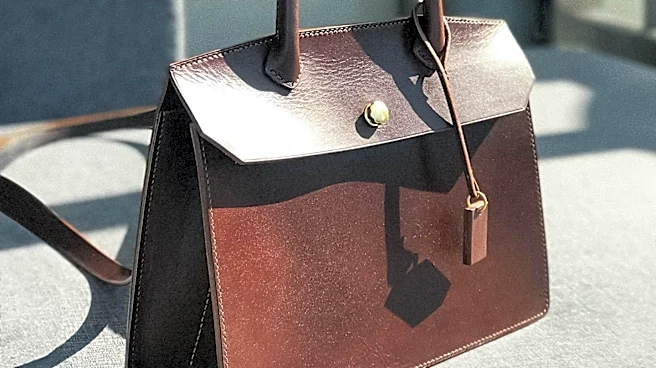
creations, including the Maxi Flap bag. Gucci has made a significant comeback, climbing four places to re-enter the top five, thanks to strategic changes by Demna. Meanwhile, Zara has been identified as a breakout brand outside the luxury sphere, leveraging cultural touchpoints such as its Super Bowl exposure with artist Bad Bunny and collaborations with notable designers. The index also highlights the influence of red carpet appearances, with Vivienne Westwood seeing a substantial increase in demand for its bustier dresses and bridal segment, attributed to promotional tours by celebrities like Margot Robbie and Charli XCX.
Why It's Important?
The Lyst Index provides valuable insights into consumer behavior and brand performance in the fashion industry. Chanel's top position underscores the brand's ability to maintain desirability through strategic shows and product launches. Gucci's resurgence highlights the impact of leadership and strategic changes on brand perception and demand. Zara's success illustrates the power of cultural relevance and strategic partnerships in driving mainstream brand growth. The influence of celebrity endorsements on Vivienne Westwood's demand demonstrates the significant role of media exposure in shaping consumer preferences. These trends indicate a shift in how brands engage with consumers, emphasizing the importance of cultural relevance and strategic visibility in the competitive fashion market.
What's Next?
As brands continue to navigate the evolving fashion landscape, maintaining cultural relevance and strategic visibility will be crucial. Chanel and Gucci are likely to build on their current momentum by further leveraging high-profile events and strategic product launches. Zara's approach of integrating cultural touchpoints and collaborations may serve as a model for other mainstream brands seeking to enhance their market presence. The impact of celebrity endorsements on brand demand suggests that fashion houses may increasingly seek partnerships with influential figures to boost visibility and desirability. The ongoing analysis of consumer behavior and brand performance will be essential for fashion brands to adapt and thrive in this dynamic environment.