






What's Happening?
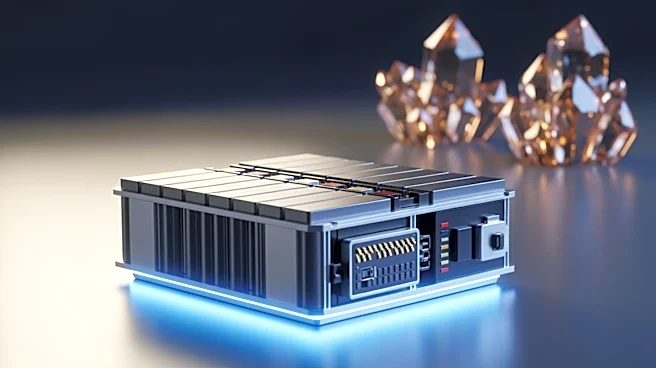
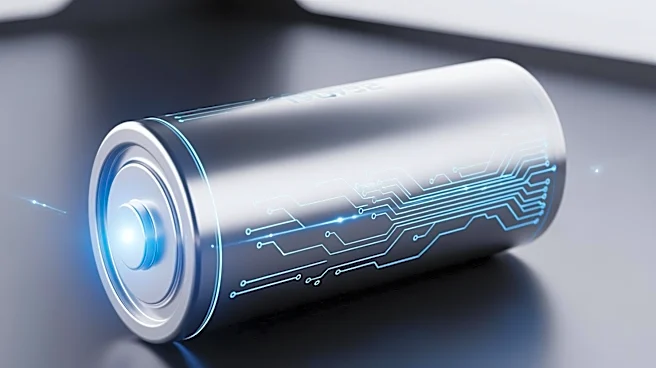
Gotion High-Tech, a Chinese company backed by Volkswagen Group, has announced the introduction of three new sodium-ion battery products at the 15th Global Technology conference. These batteries are designed to offer significant improvements in energy
density and performance. The high-energy version achieves an energy density of 261 Wh/kg, a 60% increase over traditional sodium-ion batteries, making it suitable for light electric vehicles and drones. The power version supports ultra-low temperature discharge, while the energy storage version boasts a cycle life exceeding 20,000 cycles. Despite these advancements, Gotion's plans to establish a battery factory in Michigan were halted due to local opposition, reflecting broader concerns about foreign-owned companies in the U.S.
Why It's Important?
The development of sodium-ion batteries by Gotion High-Tech represents a significant advancement in battery technology, offering a potential alternative to lithium-ion batteries. These batteries are less costly, have a reduced risk of fires, and perform better in cold weather, which could make them attractive for various applications, including electric vehicles and energy storage systems. However, the resistance to Gotion's expansion in the U.S. highlights ongoing tensions regarding foreign investments, particularly from Chinese companies, in the American market. This situation underscores the challenges faced by international companies in navigating local sentiments and regulatory environments.
What's Next?
As Gotion continues to develop its sodium-ion battery technology, it may seek alternative locations for manufacturing outside the U.S. The company is likely to focus on expanding its production capabilities in China and other regions where it faces fewer barriers. Meanwhile, the U.S. may need to address its stance on foreign investments to balance economic growth with national security concerns. The success of sodium-ion batteries could also prompt other manufacturers to explore similar technologies, potentially reshaping the global battery market.