







What's Happening?
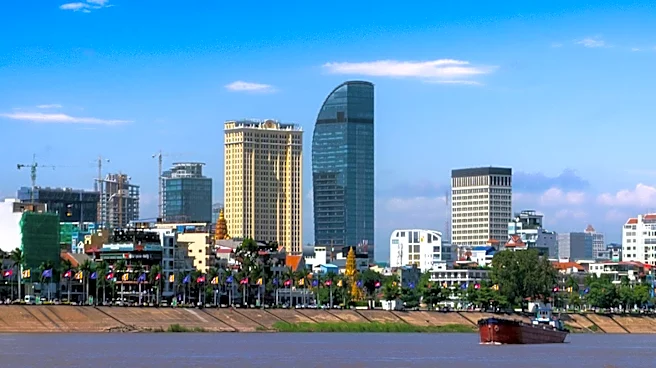
The Phnom Penh International Half Marathon is set to take place on June 14, 2026, featuring a newly designed route that highlights the city's modern skyline and historic landmarks. The 21-kilometer course will start at Wat Botum Park, passing by the Royal
Palace and other central landmarks, before extending through Koh Pich and Koh Norea. This change aims to improve participant safety and race flow while offering a more visually appealing experience. The event is expected to attract between 5,000 and 6,000 runners, including a significant number of international participants. The marathon also supports charitable causes, with proceeds benefiting Kantha Bopha Children’s Hospitals.
Why It's Important?
The Phnom Penh Half Marathon is a key event in Cambodia's sporting calendar, promoting fitness and tourism in the capital. The introduction of a new route reflects the city's evolving urban landscape and growing appeal as a destination for international events. By attracting a diverse group of participants, the marathon fosters community engagement and highlights Phnom Penh's cultural and recreational offerings. The event's charitable component underscores the role of sports in supporting social causes, enhancing its significance beyond a mere athletic competition. The marathon's success could further position Phnom Penh as a hub for international sporting events, boosting local tourism and economic activity.
What's Next?
As the marathon date approaches, organizers are encouraging early registration to ensure smooth logistics and participant safety. The event's success could lead to increased interest in future editions, potentially expanding its scale and impact. The growing popularity of the marathon may inspire similar events in other Cambodian cities, promoting a nationwide culture of fitness and wellness. Additionally, the integration of scenic routes through developing urban areas like Koh Pich and Koh Norea may influence future urban planning and development strategies, emphasizing the importance of recreational spaces in city design.