




What's Happening?
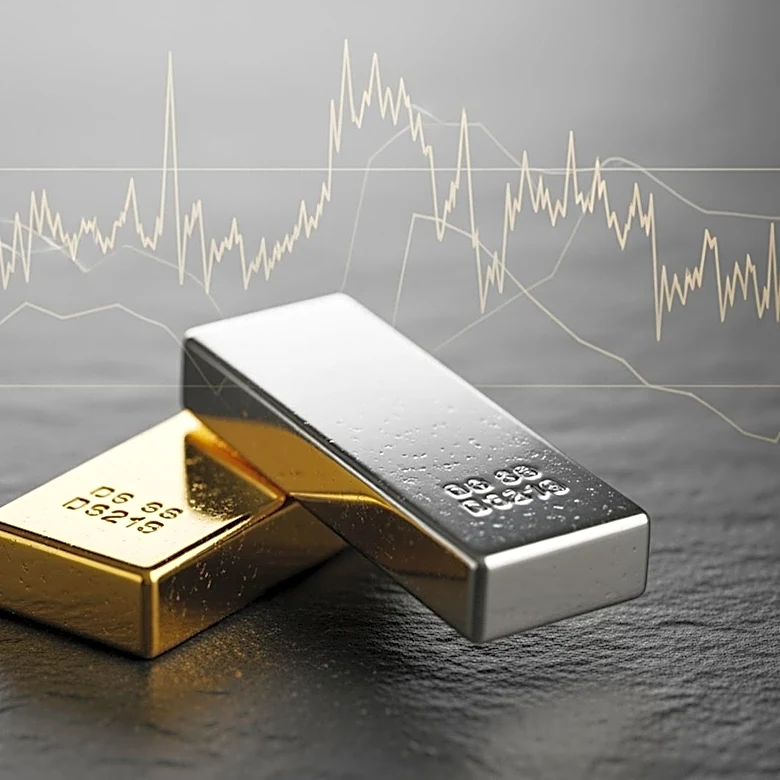
Gold prices have experienced a decline as ongoing U.S.-Iran talks and economic factors influence market dynamics. Spot gold was trading at approximately $4,506.30 per ounce, marking a 0.79% decrease. This decline is attributed to firm Treasury yields,
a stronger dollar, and hawkish Federal Reserve inflation language, which have overshadowed the safe-haven demand typically associated with geopolitical tensions. The discussions between the U.S. and Iran, particularly concerning the Strait of Hormuz, have not led to a clear de-escalation, maintaining volatility in crude oil prices and supporting an inflation-risk premium in interest rates. As a result, gold has posted two consecutive weekly losses, with a broader two-week decline of 4.22%.
Why It's Important?
The decline in gold prices highlights the complex interplay between geopolitical events and economic indicators. The U.S.-Iran talks, particularly regarding the control of the Strait of Hormuz, are crucial as they impact global oil supply and, consequently, inflation expectations. The Federal Reserve's focus on inflation, influenced by these geopolitical tensions, suggests potential interest rate hikes, which could further affect gold prices. Investors and stakeholders in the precious metals market are closely monitoring these developments, as they could lead to significant shifts in investment strategies and economic forecasts.
What's Next?
Looking ahead, the outcome of the U.S.-Iran negotiations will be pivotal in determining the direction of gold prices. Should the talks lead to a resolution, it could stabilize oil prices and reduce inflationary pressures, potentially easing the Federal Reserve's stance on interest rates. Conversely, continued tensions could maintain or increase volatility in the markets. Investors will also be watching for any changes in the Federal Reserve's policy signals, as these will directly impact market sentiment and investment decisions in the precious metals sector.