



What's Happening?
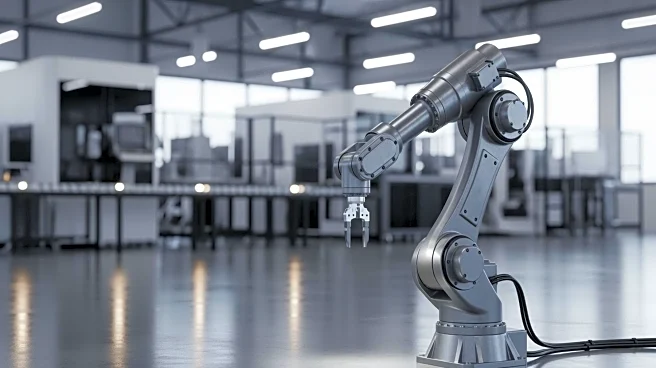
FANUC America, a leader in robotics and automation systems, has announced a $90 million investment to build a new 840,000 square foot facility in Michigan. This expansion aims to enhance the company's U.S.-based manufacturing capabilities for robots.
The project, expected to be completed by late 2027, will create 225 jobs and expand FANUC America's engineering and advanced manufacturing capacity. The investment is part of a broader strategy to meet the growing demand for automation solutions across North America, including technologies like physical AI and digital-twin systems. FANUC America has been producing robots domestically for over four decades and continues to strengthen its U.S. presence to support industries reliant on automation.
Why It's Important?
This investment by FANUC America is significant for the U.S. manufacturing sector as it underscores the ongoing trend of reindustrialization and the increasing importance of automation in maintaining competitiveness. By expanding its manufacturing footprint, FANUC America is not only creating jobs but also addressing the national skills gap in automation and robotics. The new facility will enhance the company's ability to respond to customer needs and support industries that depend on advanced manufacturing technologies. This move is expected to bolster the U.S. economy by fostering innovation and improving the country's competitive edge in the global market.
What's Next?
FANUC America's new facility is set to open by late 2027, and the company plans to continue expanding its presence in the U.S. The newly expanded FANUC Academy in Auburn Hills, Michigan, will become the largest robotics and automation skills-development center in the country, further addressing the skills gap and rising demand for automation talent. As the project progresses, stakeholders in the manufacturing and automation sectors will likely monitor its impact on job creation and technological advancements. The expansion may also prompt other companies to invest in similar initiatives, contributing to the broader trend of reindustrialization in the U.S.