
What's Happening?
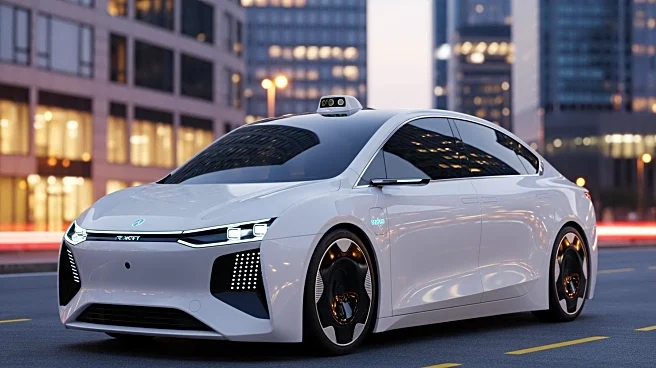
Uber has announced the launch of self-driving taxis in Dallas, marking the latest expansion of its autonomous vehicle services. The ride-hailing company is partnering with Avride, a startup specializing
in self-driving technology, to deploy a fleet of Hyundai Ioniq 5 electric vehicles. Initially, these vehicles will include human monitors in the driver's seat, with plans for fully driverless operations in the future. This move is part of Uber's broader strategy to collaborate with autonomous vehicle companies like Waymo, as it continues to roll out self-driving options across the United States. Dallas joins Austin and Atlanta as cities where Uber has introduced autonomous ride-hailing services.
Why It's Important?
The introduction of self-driving taxis in Dallas represents a significant step in the evolution of urban transportation. By partnering with companies like Avride, Uber is positioning itself at the forefront of the autonomous vehicle industry, which could revolutionize the ride-hailing market. This development could lead to reduced operational costs for Uber, as driverless vehicles eliminate the need for human drivers. However, it also raises questions about job displacement for current drivers. Additionally, the success of this initiative could influence regulatory frameworks and public acceptance of autonomous vehicles, potentially accelerating their adoption nationwide.
What's Next?
As Uber continues to expand its self-driving taxi services, the company will likely focus on ensuring the safety and reliability of these vehicles. The transition to fully driverless operations will depend on technological advancements and regulatory approvals. Stakeholders, including local governments and the public, will play a crucial role in shaping the future of autonomous ride-hailing services. Uber's partnerships with other autonomous vehicle companies, such as Waymo, suggest that further expansions into new markets are on the horizon.