




What's Happening?
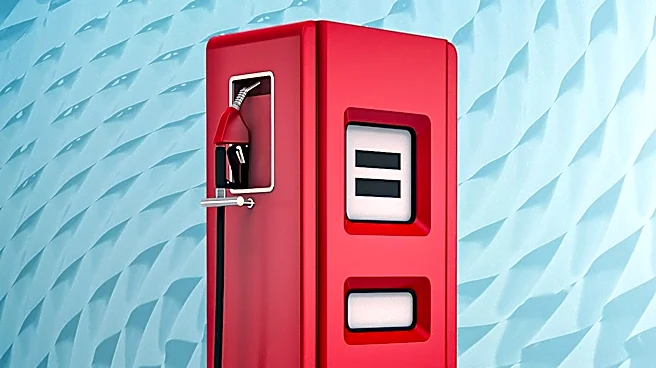
The latest data from the Primerica Household Budget Index (HBI) indicates that rising gas prices have significantly impacted the purchasing power of middle-income Americans. In April, the HBI, which measures the ability of middle-income families to afford
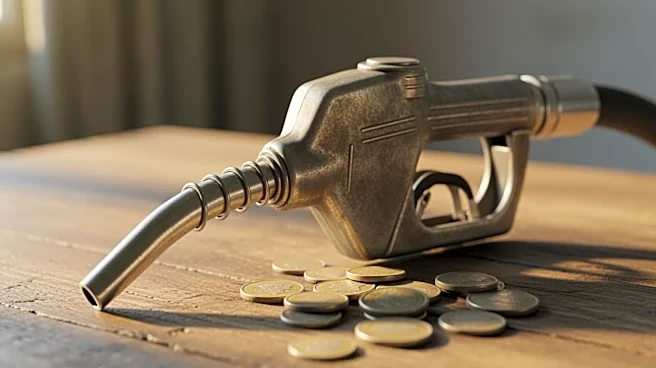
necessities, fell to 99.4%, down 1.7% from March. Gas prices increased by 11% in the past month and 28% year-over-year, contributing to a 5.5% rise in the cost of necessity items such as food, utilities, and healthcare. The Consumer Price Index (CPI) also showed a 3.8% increase in inflation for all U.S. households, with a more pronounced 4.4% rise for middle-income families.
Why It's Important?
The decline in purchasing power for middle-income families highlights the broader economic challenges posed by inflation and rising costs of living. As middle-income households account for over 55% of the U.S. population, their financial health is a critical indicator of overall economic stability. The increase in gas prices not only affects household budgets but also has ripple effects on consumer spending and economic growth. Policymakers and economists will need to address these inflationary pressures to prevent further erosion of purchasing power and ensure economic resilience.
What's Next?
If gas prices and inflation continue to rise, middle-income families may face increased financial strain, potentially leading to reduced consumer spending and slower economic growth. Policymakers may consider measures to alleviate the impact of rising costs, such as targeted tax relief or subsidies for essential goods. Additionally, monitoring inflation trends and adjusting monetary policy could be necessary to stabilize prices and support economic recovery. The ongoing analysis of the HBI will provide valuable insights into the financial well-being of middle-income Americans and guide future policy decisions.