
What's Happening?
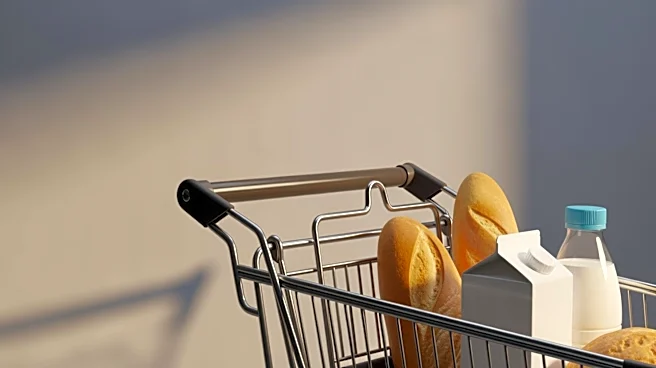
A significant shift in consumer spending habits is occurring across the United States, as individuals opt for more economical choices and delay larger purchases. This trend, described by analysts as a 'trade-down
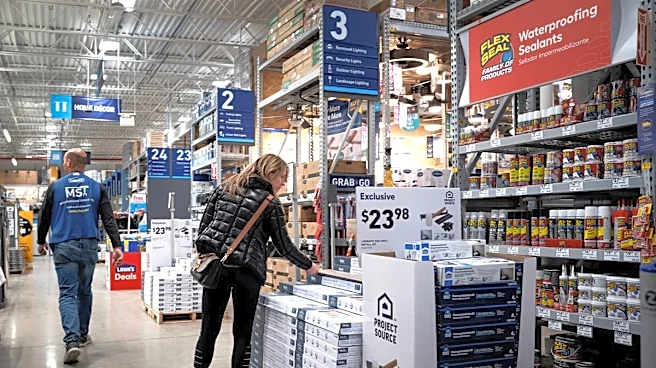
economy,' reflects a change in the quality, scale, and price point of consumer purchases. Despite ongoing spending, Americans are prioritizing essentials over discretionary items. For instance, Lowe's reported a 0.9% decline in discretionary DIY spending, attributed to 'continued DIY discretionary pressures.' Consumers are now focusing on smaller home repairs rather than large-scale renovations. This shift is driven by economic factors such as high housing prices, interest rates, and inflation, which have made consumers more cautious about big-ticket spending.
Why It's Important?
The shift in consumer spending habits has broad implications for the U.S. economy. As consumers prioritize essentials and seek lower-cost alternatives, discount retailers like T.J. Maxx and Dollar General are experiencing increased patronage. This trend indicates a potential decline in revenue for premium brands and non-essential goods sectors. The change in spending behavior also reflects broader economic pressures, including inflation and housing market uncertainty, which are influencing consumer confidence and purchasing decisions. As a result, businesses may need to adjust their strategies to cater to more value-driven consumers, potentially impacting pricing, product offerings, and marketing approaches.
What's Next?
As economic pressures persist, it is likely that the trend of cautious, value-driven spending will continue. Retailers may increasingly rely on promotions and discounts to attract consumers, while consumers may continue to seek out budget-friendly options and delay non-essential purchases. This could lead to a sustained rise in the popularity of discount retailers and store brands. Additionally, businesses may need to innovate and adapt to meet the changing demands of consumers who are more focused on value and essentials. The ongoing economic conditions will likely influence consumer behavior and business strategies in the foreseeable future.