


What's Happening?
Kanthal has inaugurated a new service center in Concord, North Carolina, to enhance its manufacturing capabilities in high-temperature electric heating technologies. This expansion is part of a broader $11 million investment program aimed at meeting the
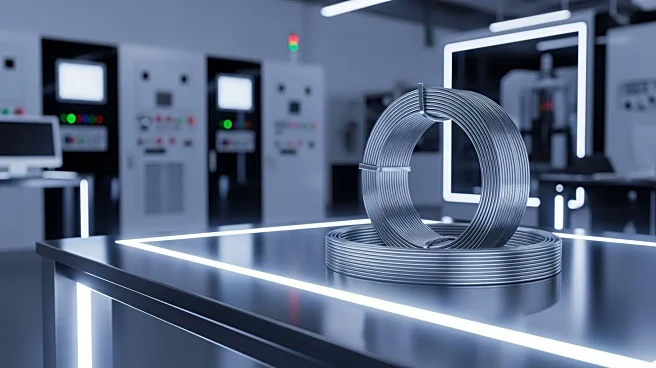
growing demand for electrification in industries such as electronics, glass, and steel. The Concord facility will produce and distribute Kanthal's Globar® silicon carbide heating elements, which are crucial for industrial applications requiring temperatures up to 2,950°F. This move is expected to reduce emissions, improve energy efficiency, and offer better process control as industries face increasing pressure to decarbonize. The facility will also support local supply, previously managed from Kanthal's hub in Perth, Scotland.
Why It's Important?
The expansion of Kanthal's manufacturing footprint in the U.S. is significant as it aligns with the broader industrial shift towards electrification and decarbonization. By providing advanced heating solutions locally, Kanthal is positioned to better serve the U.S. market, reducing lead times and enhancing manufacturing agility. This development supports the reduction of the manufacturing sector's carbon footprint, which is crucial given that combustion emissions account for a significant portion of industrial emissions. The investment also reflects a strategic response to regulatory and market pressures for cleaner industrial processes, potentially setting a precedent for other manufacturers to follow.
What's Next?
Kanthal's Concord facility is expected to play a pivotal role in the company's global manufacturing network, supporting both regional demand and the shift towards electrified industrial processes. The facility's enhanced production capabilities will allow for tailored heating element configurations, improving responsiveness to customer needs. As industries continue to seek sustainable solutions, Kanthal's investment in local manufacturing and service delivery is likely to drive further innovation and adoption of electric heating technologies.