






What's Happening?
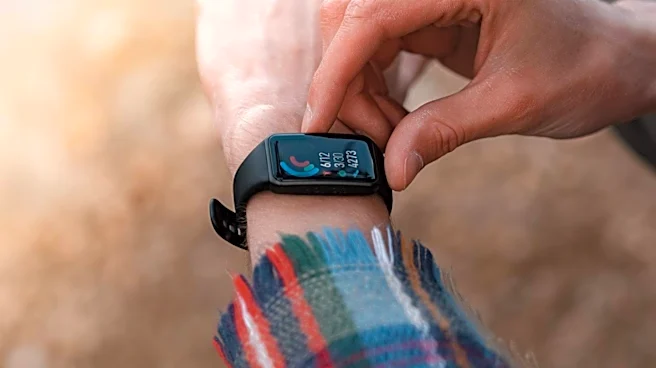
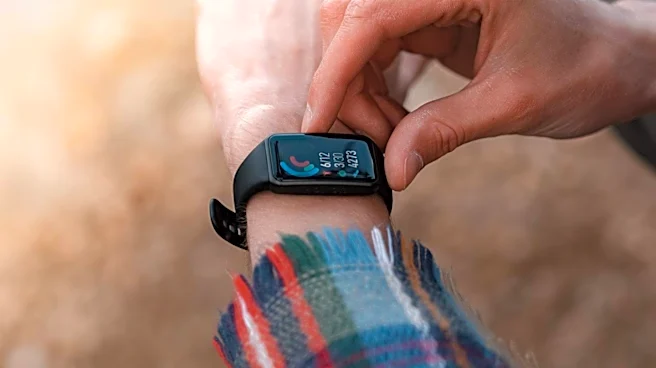
The proliferation of health wearables and wellness technology is leading to increased anxiety among users who feel pressured to achieve 'optimal' health scores. Devices like the Oura ring and various health apps encourage users to track biomarkers, sleep,
and other health metrics, often leading to a phenomenon known as 'cyberchondria.' This term describes the emotional burden associated with constant health monitoring. Experts warn that the obsession with health data can lead to anxiety, disordered eating, and compulsive self-monitoring, as users strive to meet idealized health standards.
Why It's Important?
The trend of health optimization reflects a growing consumer interest in personal health management, driven by advancements in technology. However, the psychological impact of constant health monitoring raises concerns about mental health and well-being. As more individuals become overwhelmed by health data, there is a risk of exacerbating anxiety and other mental health issues. This development highlights the need for balanced approaches to health monitoring and the importance of consulting healthcare professionals before making health-related decisions based on app data.
Beyond the Headlines
While the focus on health optimization can lead to anxiety, it also presents opportunities for advancements in women's health. New devices tailored to women's health needs are emerging, offering more personalized and effective treatments. This shift could lead to significant improvements in healthcare outcomes for women, addressing long-standing gaps in research and treatment. However, it is crucial to ensure that these technologies are backed by robust research to avoid potential negative impacts on mental health.