








What's Happening?
In Japan, companies like Tokyo's Tanita Corporation are integrating personal fitness into the workplace to address obesity, which is significantly lower in Japan compared to the United States. Tanita, a company that manufactures scales, requires employees
to weigh themselves monthly and track their daily steps using a company ID badge. This initiative is part of a broader cultural approach to health, where sharing personal health metrics is common and not stigmatized. The traditional Japanese diet, which includes rice, miso soup, and pickled vegetables, also contributes to the country's low obesity rates. Additionally, Japanese schools emphasize healthy eating habits from a young age, with school lunches featuring locally sourced vegetables and minimal fried foods.
Why It's Important?
The approach taken by Japanese companies and schools highlights a cultural commitment to health that could offer lessons for the United States, where obesity rates are significantly higher. By integrating fitness into daily routines and promoting a balanced diet, Japan demonstrates a model that could potentially reduce healthcare costs and improve public health outcomes. The emphasis on community and accountability in health practices may inspire similar initiatives in the U.S., where workplace wellness programs are gaining traction. The Japanese model underscores the importance of early education in healthy eating, which could influence future generations and lead to long-term societal health benefits.
What's Next?
As Japan continues to maintain low obesity rates through these practices, other countries may look to adopt similar strategies. In the U.S., there could be increased interest in workplace wellness programs that incorporate regular physical activity and health monitoring. Additionally, educational reforms that prioritize nutrition and physical health from an early age might gain support. Companies and policymakers in the U.S. may explore partnerships with health experts to develop culturally appropriate programs that encourage healthier lifestyles. The success of Japan's approach could lead to broader discussions on public health policies and the role of employers in promoting employee well-being.
Beyond the Headlines
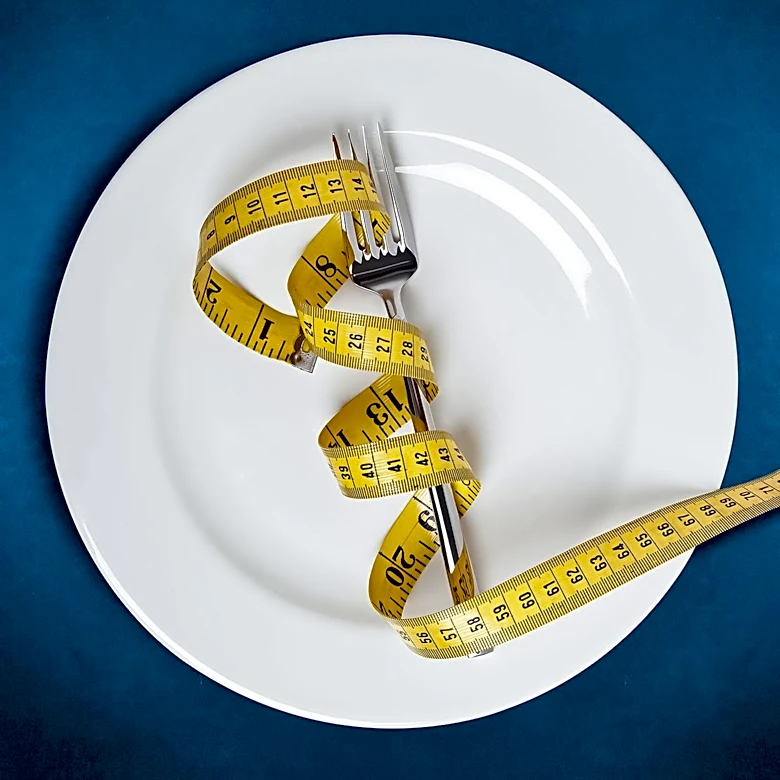
The Japanese approach to health and fitness reflects deeper cultural values of discipline, community, and respect for tradition. These values are evident in the country's collective efforts to maintain health through simple, accessible practices. The concept of 'hara hachi bu,' or eating until 80% full, exemplifies a mindful approach to consumption that contrasts with more indulgent eating habits seen elsewhere. This cultural mindset may contribute to Japan's overall longevity and quality of life, offering insights into how cultural attitudes can shape health outcomes. As global interest in wellness grows, Japan's model may influence international health trends and policies.