




What's Happening?
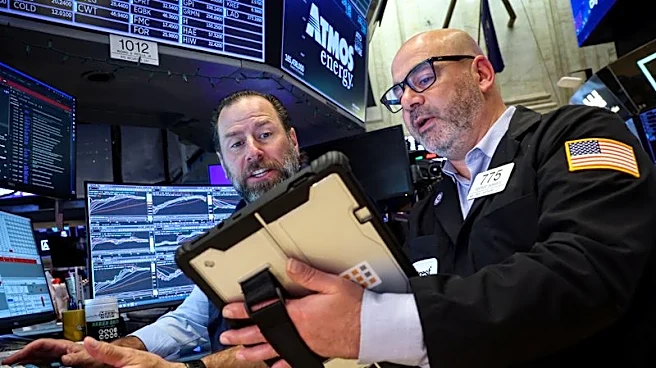
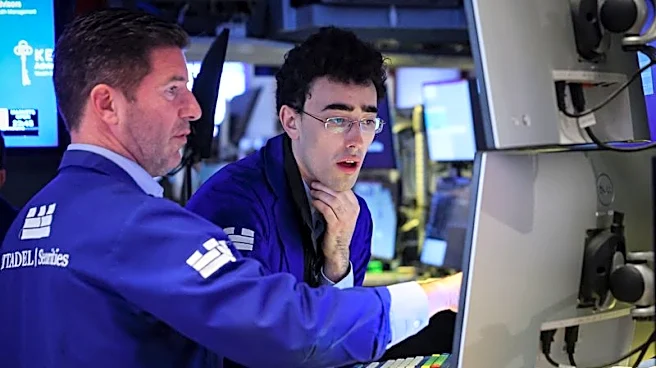
U.S. stock index futures remained relatively unchanged as investors focused on corporate earnings and developments in the Middle East. The S&P 500 index is approaching a record high since the conflict began, indicating investor optimism. Bank of America
and Morgan Stanley reported increased first-quarter profits, driven by heightened trading activity due to global market volatility. Despite the ongoing conflict, banks have noted that U.S. consumers remain financially healthy, and the pipeline for IPOs and deals is expected to stay robust unless the conflict persists. However, analysts caution that stocks may be vulnerable to reversals if Middle East developments do not align with optimistic market assumptions.
Why It's Important?
The stability in stock futures and positive earnings reports from major banks suggest resilience in the U.S. financial markets despite geopolitical tensions. This resilience is crucial for maintaining investor confidence and supporting economic growth. The financial health of U.S. consumers and the robustness of IPO pipelines are positive indicators for the economy. However, the potential for sharp market reversals highlights the risks associated with geopolitical uncertainties. The situation underscores the importance of monitoring global developments and their impact on U.S. markets.
What's Next?
Investors will be closely watching remarks from Federal Reserve officials, which could provide insights into future monetary policy and its impact on the markets. Additionally, developments in the Middle East, particularly any signs of de-escalation, will be critical in shaping market sentiment. Companies will continue to report earnings, offering further insights into how they are navigating the current geopolitical landscape.
Beyond the Headlines
The ongoing conflict and its impact on commodity markets, particularly oil prices, could have long-term implications for global economic stability. The International Monetary Fund has already cut its global growth outlook, citing energy price spikes driven by the conflict. This situation highlights the interconnectedness of geopolitical events and economic health, emphasizing the need for strategic planning and risk management by businesses and policymakers.