

What's Happening?
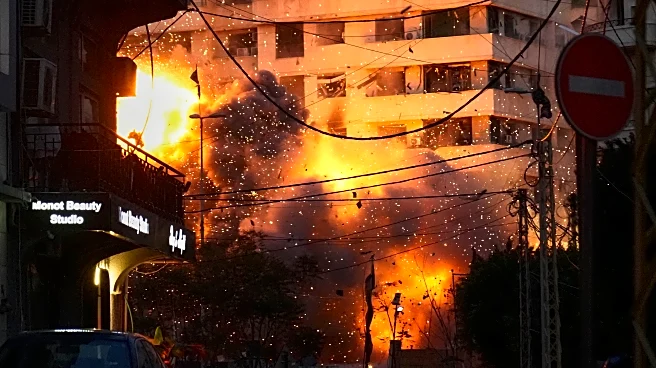
Crude oil prices have surged above $100 per barrel as Iran continues its attacks on Gulf targets, escalating tensions in the region. Brent crude, the international benchmark, rose by 2.5% to $105.70, marking a significant increase of over 40% since the onset
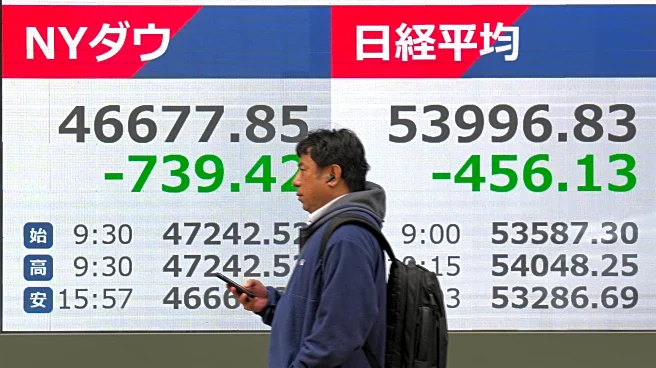
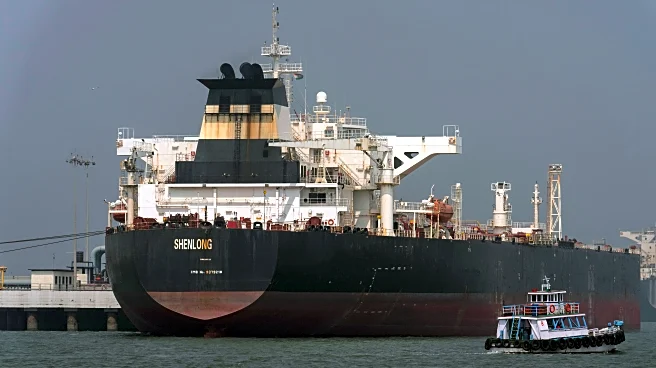
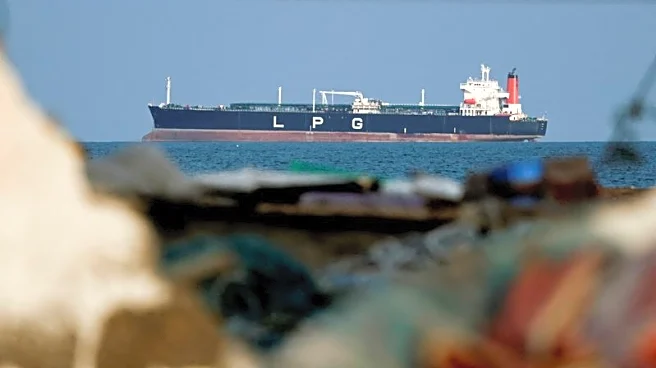
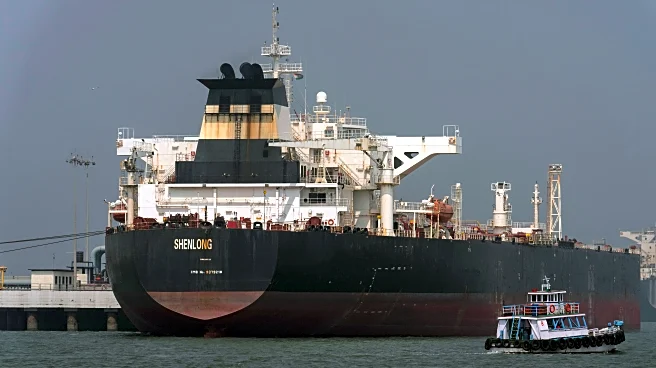
of the conflict. U.S. benchmark crude also saw a rise, gaining 1.6% to reach $100.29 per barrel, reflecting a nearly 50% increase. The conflict has led to disruptions in the Strait of Hormuz, a critical passage for global oil shipments, causing a significant reduction in oil flow. This has resulted in oil producers cutting back on production due to limited transportation options. The ongoing conflict and its impact on oil supply have contributed to mixed performances in global stock markets, with varying responses across different regions.
Why It's Important?
The rise in oil prices due to the conflict in the Gulf region has significant implications for the global economy, particularly in terms of inflationary pressures. As oil prices climb, the cost of energy and transportation increases, which can lead to higher prices for goods and services. This situation complicates efforts by central banks, such as the Federal Reserve, to manage inflation and interest rates. The disruption in oil supply from the Persian Gulf, a major source of global oil, could lead to further economic instability if the conflict persists. Additionally, the situation highlights the vulnerability of global energy markets to geopolitical tensions, underscoring the need for diversified energy sources and strategic reserves.
What's Next?
If the conflict continues, further disruptions in oil supply could exacerbate inflationary pressures, potentially leading to more aggressive monetary policy actions by central banks. The International Energy Agency's release of emergency oil reserves may provide temporary relief, but sustained high prices could impact consumer spending and economic growth. Stakeholders, including governments and energy companies, may need to explore alternative supply routes and increase investments in renewable energy to mitigate the impact of such geopolitical risks. The situation also calls for diplomatic efforts to de-escalate tensions and stabilize the region.