



What's Happening?
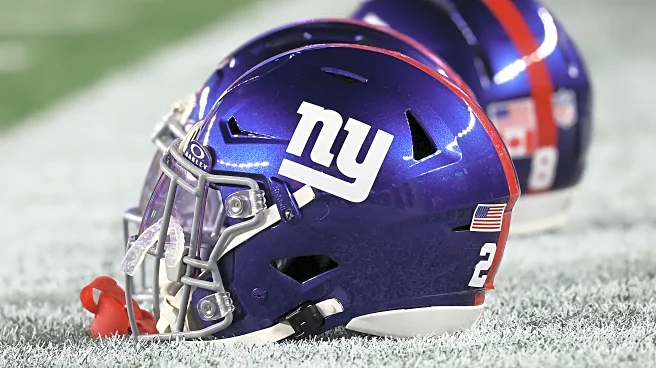
Former New York Giants quarterback Eli Manning was not elected to the Pro Football Hall of Fame in his second year of eligibility. Despite his two Super Bowl MVP awards, Manning did not receive enough votes to secure a place among the inductees. His postseason success, particularly against the New England Patriots, is a significant part of his Hall of Fame candidacy. However, his regular-season performance has been a point of contention among voters. The full list of this year's inductees will be announced at the upcoming NFL Honors, with notable finalists including Drew Brees, Larry Fitzgerald, and Reggie Wayne.
Why It's Important?
Eli Manning's exclusion from the Hall of Fame highlights the ongoing debate about the criteria for induction, particularly the balance
between postseason success and regular-season performance. Manning's career is emblematic of this discussion, as his Super Bowl victories are weighed against a more modest regular-season record. This decision may influence future considerations for players with similar career trajectories. Additionally, Manning's absence from the Hall of Fame could impact his legacy and how he is perceived in the broader context of NFL history.
What's Next?
The announcement of the Hall of Fame inductees will likely reignite discussions about the selection process and the criteria used to evaluate candidates. Manning's supporters may continue to advocate for his inclusion in future years, emphasizing his contributions to the Giants' Super Bowl victories. The broader implications of this decision could lead to calls for a reevaluation of the Hall of Fame voting process, potentially affecting how future candidates are assessed.