


What's Happening?
The agricultural sector is experiencing a transformation with the emergence of diverse career paths beyond traditional farming and ranching. As technology and sustainability become increasingly integral to agriculture, new roles such as precision agriculture specialists
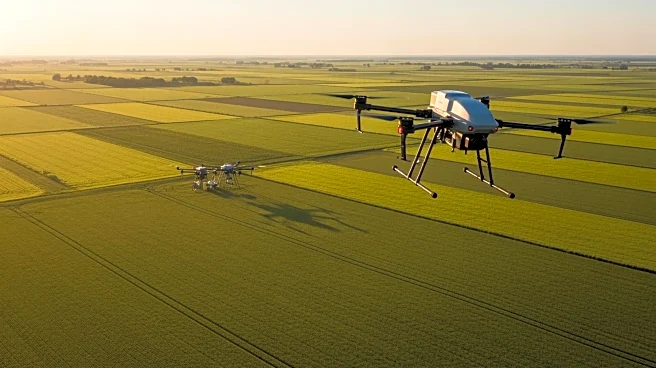
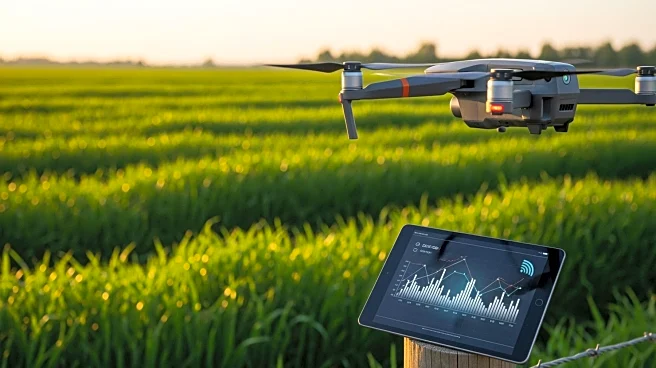
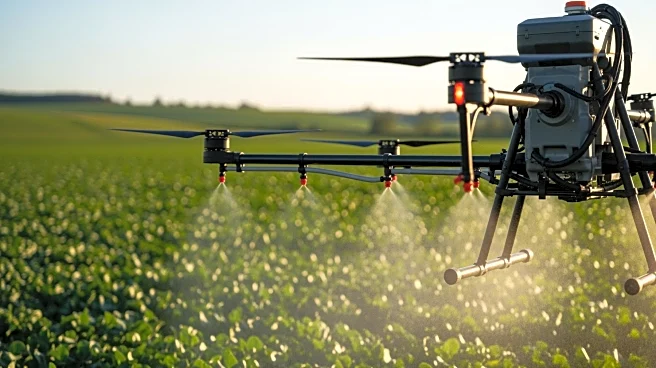
and sustainability consultants are gaining prominence. Precision agriculture specialists utilize data analytics, GPS, and drone technology to enhance crop yields and optimize resource use. Meanwhile, sustainability consultants advise on eco-friendly practices like soil conservation and water management. The U.S. Bureau of Labor Statistics projects a 6% growth in employment opportunities for agriculture and food scientists in science and sustainability from 2024 to 2034, outpacing the average for all U.S. occupations. Additionally, digital marketing roles are expanding as agricultural businesses seek to engage consumers interested in the origins of their food. Entrepreneurs, or 'agripreneurs,' are also redefining the sector by developing plant-based products and ag-tech startups, contributing to the $1.53 trillion impact of the agriculture and food industries on the U.S. economy in 2023.
Why It's Important?
The diversification of career opportunities in agriculture is crucial for addressing the evolving challenges and demands of the industry. As consumer awareness and demand for sustainable practices grow, the need for professionals who can integrate technology and sustainability into agriculture becomes more pressing. This shift not only supports environmental goals but also enhances the efficiency and productivity of agricultural operations. The rise of digital marketing and agripreneurship reflects a broader trend of innovation within the sector, which is essential for maintaining its economic vitality. By embracing these new roles, the agricultural industry can better meet the needs of a changing market and contribute to food security and environmental sustainability.
What's Next?
As the agricultural sector continues to evolve, the demand for skilled professionals in technology and sustainability is expected to increase. Educational institutions and industry stakeholders may focus on developing training programs to equip individuals with the necessary skills for these emerging roles. Additionally, policy initiatives supporting sustainable practices and technological innovation could further drive growth in these areas. The ongoing engagement of agripreneurs in developing new products and technologies will likely continue to shape the future of agriculture, fostering a more resilient and adaptable industry.