






What's Happening?
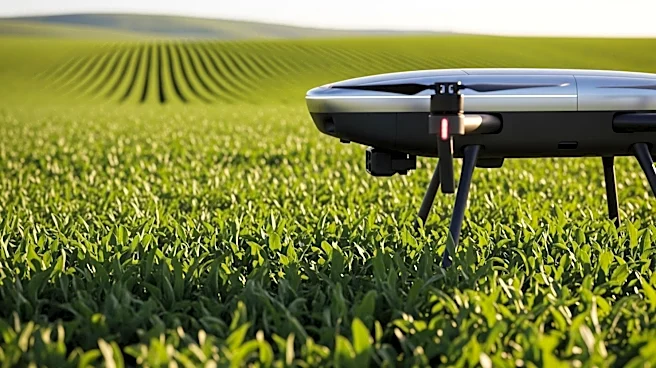
The adoption of precision agriculture technology is transforming farming operations across the United States. According to a report by the USDA and the Government Accountability Office, approximately 27% of U.S. farmers and ranchers are now utilizing
precision ag technology. This technological shift has led to a 5% increase in crop yields over the past five years. The Association of Equipment Manufacturers (AEM) has conducted a study quantifying the financial benefits of this technology, revealing that farmers can generate an additional $66,000 annually per 1,000 acres by enhancing productivity by 5%. Despite these benefits, the adoption of such technology is not straightforward, as it involves complex operations and varying levels of technological savviness among farmers. Austin Gellings, a seventh-generation Wisconsin farmer and senior director of agricultural services at AEM, emphasizes the importance of providing farmers with a variety of tools to choose from, allowing them to select what works best for their operations.
Why It's Important?
The integration of precision agriculture technology is crucial for enhancing farm productivity and profitability. As the agricultural sector faces challenges such as labor shortages and the need for sustainable practices, technology offers a viable solution to maintain and increase production levels. The financial benefits highlighted by the AEM study underscore the potential for significant economic gains, which can support the livelihoods of farmers and contribute to the broader agricultural economy. However, the transition to high-tech farming requires overcoming barriers related to technological literacy and generational differences in technology adoption. By embracing these innovations, the agricultural industry can ensure long-term sustainability and competitiveness in the global market.
What's Next?
As more farmers recognize the benefits of precision agriculture technology, its adoption is expected to accelerate. Younger generations, who are more comfortable with digital tools, are likely to lead this transition, bringing new efficiencies and innovations to farming practices. Industry stakeholders, including equipment manufacturers and agricultural service providers, will play a critical role in facilitating this shift by offering training and support to farmers. Additionally, ongoing research and development in agricultural technology will continue to enhance the capabilities and accessibility of these tools, further driving their adoption across the sector.
Beyond the Headlines
The adoption of precision agriculture technology also raises important considerations regarding data privacy and security. As farms become more reliant on digital systems, the protection of sensitive information becomes paramount. Furthermore, the shift towards technology-driven farming may alter traditional farming practices and cultural norms, prompting discussions about the future of rural communities and the preservation of agricultural heritage. These broader implications highlight the need for a balanced approach that considers both the benefits and challenges of technological integration in agriculture.