





What's Happening?
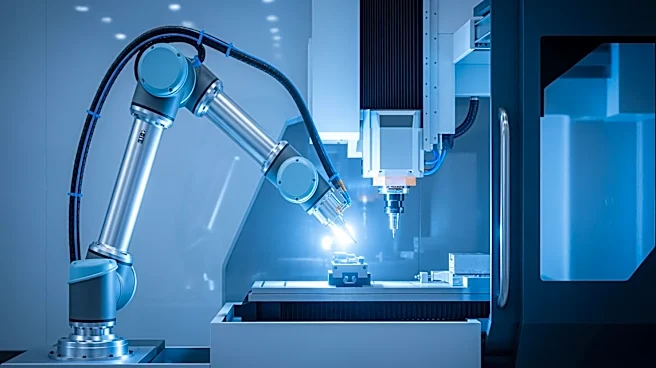
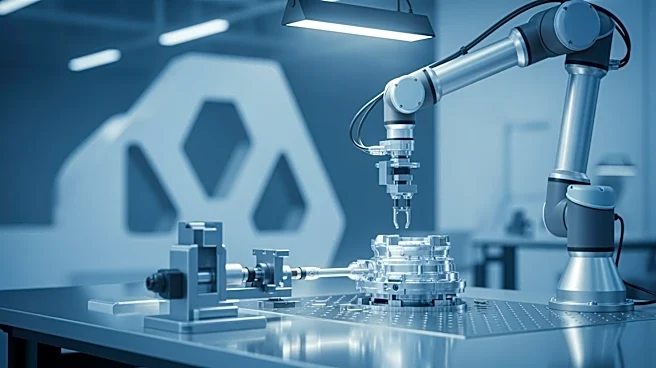
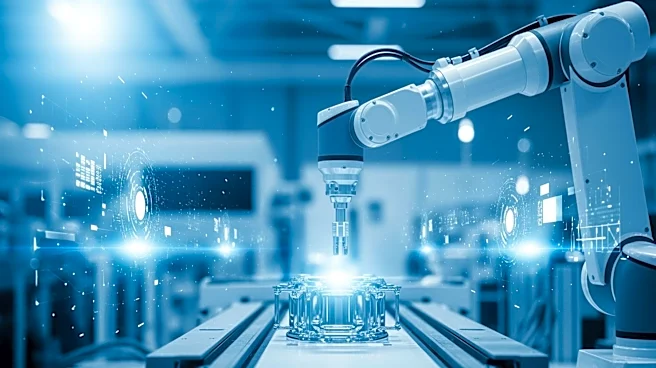
Robotic arms are transforming the operations of CNC (Computer Numerical Control) machines by taking over complex tasks that were traditionally performed by human operators. This shift is driven by the integration of advanced robotics into production lines,
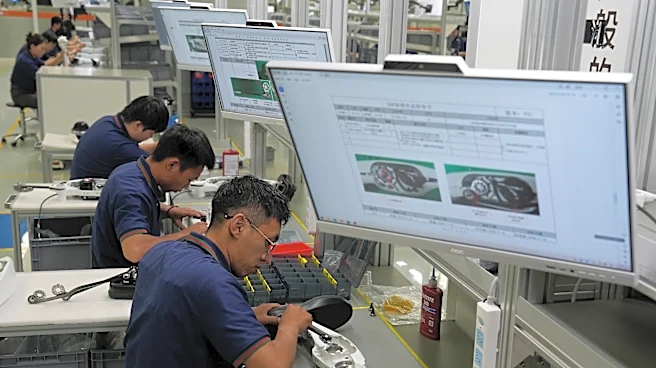
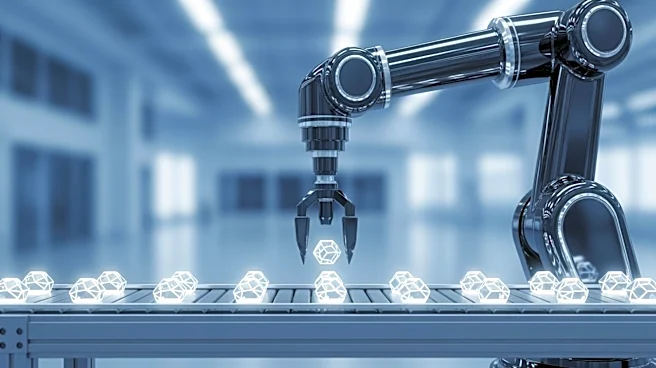
allowing robotic arms to handle entire production sequences. These tasks include loading raw materials, managing inter-machine transfers, conducting dimensional inspections, and routing finished parts without human intervention. The transition from manual to automated processes is not just incremental but represents a fundamental change in how CNC production cells are structured and operated. This change is largely motivated by labor shortages and skills gaps in the manufacturing industry, which are expected to leave up to 1.9 million positions unfilled by 2033, according to a Deloitte study.
Why It's Important?
The integration of robotic arms into CNC machine operations is significant for the manufacturing industry as it addresses critical labor shortages and enhances operational efficiency. By automating tasks that were previously manual, manufacturers can extend machine utilization beyond traditional working hours, including overnight and weekend operations, without increasing headcount. This not only reduces the variability and errors associated with human labor, such as operator fatigue and misalignments, but also minimizes scrap, rework, and downtime. The efficiency gains are substantial, with some manufacturers reporting a 33% increase in efficiency and machine utilization rates exceeding 97%. This technological advancement allows manufacturers to maintain competitiveness and meet production demands despite workforce challenges.
What's Next?
As robotic integration in CNC operations continues to evolve, manufacturers are likely to further optimize their production processes. The deployment of robotic systems is becoming faster and more accessible, even for smaller job shops, thanks to collaborative robot platforms. This trend suggests a continued shift towards automation in manufacturing, potentially leading to more widespread adoption of robotic technologies across various sectors. Manufacturers who embrace this change may gain a structural advantage that compounds over time, positioning them for long-term success in a competitive market. Additionally, as technology advances, the capabilities of robotic systems are expected to expand, offering new opportunities for innovation and efficiency improvements.