







What's Happening?
Dropbox has decided to continue its remote work model, known as 'virtual-first,' which was adopted in 2020 during the coronavirus pandemic. This decision comes as many companies are ending remote work arrangements and requiring employees to return to offices.
Dropbox's Chief People Officer, Melanie Rosenwasser, stated that the company has met all its financial goals while allowing employees to work from anywhere. The company has refined its scheduling practices, meeting protocols, and employee well-being programs to support its distributed workforce. Dropbox emphasizes flexibility and agency as key components of modern work, allowing employees to design their workdays according to personal preferences.
Why It's Important?
Dropbox's commitment to remote work highlights a significant shift in workplace dynamics, challenging the traditional office-based work model. This approach could influence other companies to reconsider their return-to-office mandates, especially as Dropbox reports success in meeting financial goals and retaining talent. The decision underscores the growing importance of flexibility in the workplace, which can lead to increased employee satisfaction and retention. As companies navigate post-pandemic work environments, Dropbox's model may serve as a case study for balancing productivity with employee well-being.
What's Next?
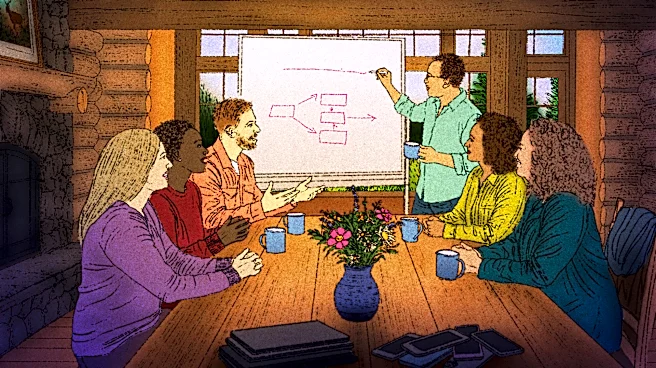
Dropbox plans to continue refining its remote work practices, focusing on meeting effectiveness and community building through quarterly off-sites. The company is also exploring ways to address challenges such as burnout and the blurring of personal and professional boundaries. As Dropbox maintains its virtual-first model, it may face scrutiny from industry peers and analysts assessing the long-term viability of remote work. The company's success or challenges could influence broader industry trends and policies regarding remote work.